2026 Best IR Drying Solutions for Global Buyers?

Time:2026-09-08 Author:Aria
0%

The 2026 market for IR Drying Solutions is becoming more practical, selective, and data-driven. Global buyers now compare more than heating speed. They examine energy use, product quality, automation, maintenance, and supplier support. A food processor may need gentle moisture removal without surface scorching. A coating manufacturer may prioritize uniform curing across a wide web. Both require different infrared wavelengths, control strategies, and installation designs.

Professor Arun S. Mujumdar, a leading drying technology authority, has described drying as “the oldest, most common and most energy-intensive unit operation.” This observation still matters. Infrared systems can transfer heat directly to a product surface, reducing warm-up time and improving line responsiveness. However, faster heating does not automatically produce better drying. Material thickness, moisture migration, airflow, emitter placement, and conveyor speed must work together. Small errors can create color changes, brittle edges, or uneven residual moisture.

Real purchasing decisions need evidence. Buyers should request pilot-test results, energy measurements, temperature maps, spare-parts plans, and operator training details. Supplier claims deserve careful review. A lower purchase price may hide higher maintenance costs or weak technical support. No system is perfect. Even advanced IR Drying Solutions may require hybrid heating, recipe adjustments, or additional cooling.

This guide examines leading technologies, application suitability, efficiency indicators, control features, and supplier evaluation points for 2026. It also considers regional service capability and responsible equipment selection. The goal is not to promote one machine. It is to help buyers choose a reliable solution for their actual materials, production targets, and operating conditions.
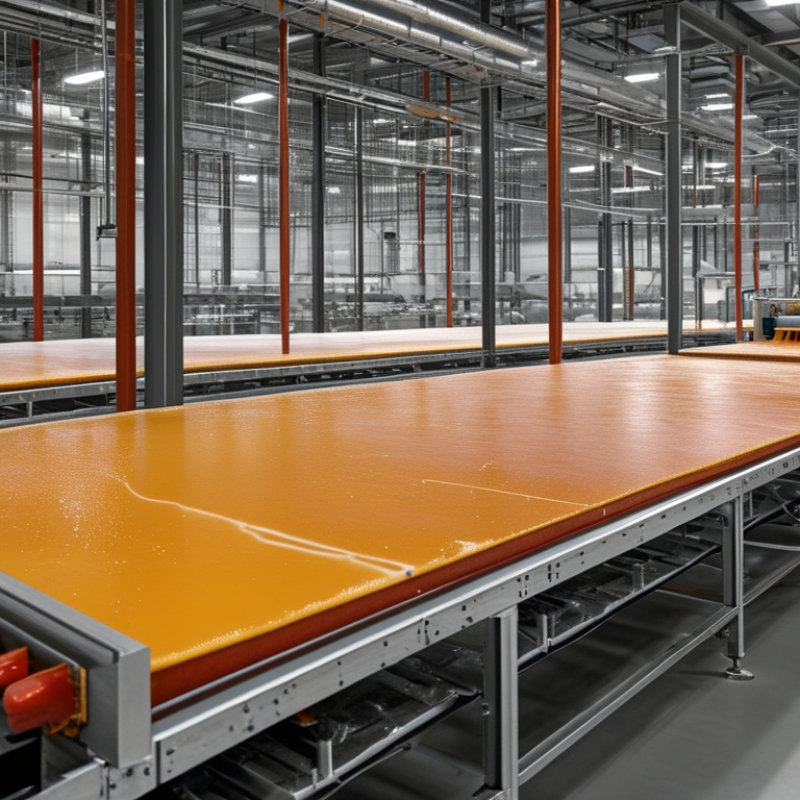
2026 Best IR Drying Solutions for Global Buyers?

What Is IR Drying and How Does It Work?

Infrared (IR) drying uses electromagnetic radiation to transfer energy directly to a product’s surface. Unlike conventional hot-air drying, IR does not heat the entire chamber first. Emitters create infrared waves, which are absorbed by water and solid materials according to wavelength, moisture content, color, and surface structure. The absorbed energy raises molecular movement and accelerates moisture evaporation.

The principle sounds simple. Industrial lines are not. Near-infrared systems often deliver rapid surface heating, while medium- and far-infrared systems provide deeper, gentler heating. Airflow must still remove vapor from the drying zone. Otherwise, moisture can condense again. The U.S. Department of Energy’s Industrial Decarbonization Roadmap (2022) reports that process heating represents about 51% of U.S. manufacturing energy use. This explains the growing interest in targeted heating. The International Energy Agency’s Energy Efficiency 2023 report also identifies industry as responsible for roughly 37% of global final energy consumption.

For global buyers, practical testing matters more than a brochure’s peak temperature. Measure moisture uniformity, residence time, product temperature, and electricity use. Check the surface first. It may dry quickly while the core remains wet. Overheating can cause cracking, discoloration, or unwanted texture changes. Poor ventilation is another frequent weakness. No single wavelength fits every material, and equipment sizing often requires pilot trials. Buyers should request test conditions, safety documentation, calibration records, and energy data measured under comparable production loads.

2026 Best IR Drying Solutions for Global Buyers? — What Is IR Drying and How Does It Work?

Infrared drying transfers heat through electromagnetic radiation. The idealized peak wavelength shifts toward shorter infrared wavelengths as emitter temperature rises, based on Wien’s displacement law: λmax ≈ 2898 ÷ T, where λ is measured in micrometers and T in kelvin. In practical systems, the best wavelength depends on the material’s absorption characteristics, coating thickness, moisture content, and required drying speed.

Which IR Drying Technologies Will Lead the 2026 Market?

In 2026, infrared drying will move toward smarter, more controlled heating. Near-infrared and medium-wave infrared systems will lead many industrial applications. Their advantage is direct energy transfer into coatings, inks, films, and treated surfaces. Drying can become faster without heating the entire production chamber.

From practical production trials, zoning will matter as much as lamp power. Independent emitters can match uneven coating widths and different moisture levels. Closed-loop sensors will adjust output when line speed or material thickness changes. This reduces scorching, surface skinning, and wasted electricity. Hybrid systems will also gain attention, combining infrared energy with controlled airflow. Air movement removes vapor more effectively from dense or water-based coatings. Small details matter here.

However, infrared is not a universal replacement for convection drying. Dark surfaces usually absorb radiation efficiently, while reflective materials may respond poorly. Some operators still select equipment by maximum temperature, which can create unstable results. I have seen edge areas dry first while the center remains soft. Better calibration, verified sensor placement, and repeatable testing are essential. Sensor drift remains an overlooked maintenance risk. The leading technology may therefore be the most adaptable system, not the strongest one. Buyers should compare energy use, drying uniformity, safety controls, service access, and material compatibility before making a final decision.

2026 Best IR Drying Solutions for Global Buyers? - Which IR Drying Technologies Will Lead the 2026 Market?

IR Drying Technology Typical Wavelength Range Typical Emitter or Surface Temperature Best-Matched Materials Typical Drying Characteristics Main Advantages Key Limitations 2026 Market Outlook
Short-Wave Infrared (SWIR / Near-IR) Approximately 0.75–1.4 μm Emitter temperatures commonly about 1,500–2,500°C Water-based coatings, inks, varnishes, thin films, textiles, paper and board Very fast surface and thin-layer drying; high radiant intensity and rapid response Compact equipment, precise heat control, short start-up time and strong line-speed potential Limited penetration in some thick or highly reflective materials; risk of surface overheating if poorly controlled Very strong for high-speed web and coating lines requiring rapid response
Medium-Wave Infrared (MWIR) Approximately 1.4–3.0 μm Typically about 600–1,200°C, depending on emitter design Paints, adhesives, polymers, composites, textiles, paper and general industrial coatings Balanced surface heating and moderate material penetration; suitable for many water-based formulations Broad process compatibility, good controllability and easier integration with convection or hot-air zones May require formulation-specific wavelength selection; thick loads can still develop moisture gradients Leading candidate for flexible, general-purpose industrial drying systems
Long-Wave Infrared (LWIR) Approximately 3.0–10 μm Commonly about 300–900°C for ceramic or metal radiant panels Plastics, rubber, food products, thicker coatings, building materials and heat-sensitive products Gentler, more uniform heating with lower peak intensity; often suitable for slower or batch processes Lower risk of scorching, robust construction and good suitability for large-area heating Slower response and lower power density than short-wave systems; larger installation footprint may be required Stable growth in batch, food, plastics and temperature-sensitive applications
Electric Ceramic Panel IR Generally concentrated in the long-wave and far-infrared region Typically about 300–900°C panel temperature Food, textiles, plastics, powder coatings, printing and low-to-medium temperature industrial products Steady, even radiant heating; drying speed depends strongly on product emissivity and moisture content Durable, relatively simple maintenance, low local emissions and easy zoning for different product areas Slower warm-up than high-temperature filament emitters; lower peak intensity can limit high-speed production Strong where durability, uniformity and electric process heating are priorities
Gas-Fired Infrared Primarily medium-wave to long-wave radiation, depending on burner and surface design Radiating surface commonly about 700–1,000°C Coil coating, metal finishing, glass, ceramics, construction products and large industrial lines High heat output and suitability for large-area or continuous industrial drying High installed power density, potentially lower electricity demand where fuel infrastructure is available Combustion emissions, ventilation requirements, fuel-price exposure and more complex permitting Selective growth in high-temperature and high-throughput regions with suitable gas supply
IR Combined with Convection or Hot Air Combination of selected IR bands with forced-air heat transfer IR emitter temperature varies; air temperature commonly about 60–250°C by process Thick coatings, water-based coatings, food, textiles, wood, paper and complex-shaped components IR accelerates surface evaporation while airflow removes humid boundary-layer air and supports through-drying Better moisture uniformity, wider operating window and easier treatment of thicker or irregular products Higher system complexity, additional fans and controls, and potentially greater capital cost Most practical integration trend for demanding continuous production lines
Pulsed or Modulated IR Wavelength depends on the emitter; output is controlled by rapid power cycling Depends on emitter type; power is adjusted through pulse width, frequency or zone control Heat-sensitive coatings, electronics, films, battery materials and products with narrow process windows Intermittent energy delivery can reduce overheating and improve control during changing line conditions Fast response, precise zoning, compatibility with sensors and potential reduction of unnecessary heat input Requires suitable power electronics, control software and validated process recipes High potential in automated, sensor-controlled and energy-optimized production
Data note: Wavelength and temperature values are typical engineering ranges for industrial infrared equipment. Actual drying performance depends on product absorption, moisture content, coating thickness, line speed, emitter distance, airflow, insulation, control strategy and heat-recovery design. Energy performance should be validated through product-specific trials rather than compared solely by emitter type.

How to Compare IR Drying Solutions for Different Materials

How to Compare IR Drying Solutions for Different Materials

Choosing an IR drying solution starts with the material, not the heater. Paper, plastic film, coatings, textiles, and wood absorb infrared energy differently. Moisture content matters too. A damp coating may dry quickly at the surface while remaining wet underneath. That hidden moisture can cause cracking, curling, or poor adhesion later.

Match the infrared wavelength to the material’s absorption behavior. Shorter wavelengths often deliver strong surface heating, while longer wavelengths can support deeper energy transfer. Thin films usually need careful power control. Thick coatings may require slower line speeds or staged heating. For textiles, airflow and fabric tension affect drying quality. Wood demands extra caution because uneven heating can create internal stress.

Test real samples.

A reliable comparison should record moisture before and after drying, surface temperature, line speed, energy use, and final product quality. Ask for trial data using your actual thickness, color, and formulation. Dark surfaces may absorb energy quickly, while reflective surfaces may need more exposure. I have seen settings that worked well in the laboratory fail on a production line. The difference was often airflow, not heater power.

Do not judge a system by maximum temperature alone. Stable control, even heating, maintenance access, and safety monitoring are equally important. A first trial may look successful, yet later reveal odor, discoloration, or uneven moisture. That is useful evidence, not a reason to hide the result. Compare repeatability across several batches, and leave room to adjust the process.

What Global Buyers Should Check Before Choosing an IR System

2026 Best IR Drying Solutions for Global Buyers?
What Global Buyers Should Check Before Choosing an IR System

Choosing an infrared drying system requires more than comparing heater wattage. Check the material, coating, line speed, moisture target, and exhaust conditions. A useful trial should record surface temperature, core moisture, energy use, and reject rates. Heat maps matter. Infrared can overheat thin edges while the center remains wet.

The U.S. Department of Energy reports that process heating uses about 51% of energy in American manufacturing. The IEA’s Energy Efficiency 2023 report also identifies industry as responsible for roughly 37% of global final energy consumption. These figures make efficiency important, but claimed savings need local verification. Ask suppliers for test data under your actual production conditions. Do not guess.

Buyers should inspect wavelength selection, emitter response time, control accuracy, maintenance access, and spare-part availability. A system that saves energy but stops production is not efficient in practice. Check electrical standards, guarding, ventilation, and documentation for the installation country. ISO 50001 guidance supports measuring energy performance against a defined baseline, not against optimistic laboratory figures. One overlooked issue is humidity. Seasonal air changes can alter drying results, especially in coastal factories. I would also question any guaranteed payback period without a measured baseline. Real factories are messier.

Sources: U.S. Department of Energy, “Industrial Process Heating”; International Energy Agency, “Energy Efficiency 2023”; ISO 50001:2018.

How to Evaluate Costs, Energy Use, Safety, and Supplier Support

For global buyers, evaluating infrared (IR) drying should begin with the material, not the heater catalog. In factory trials, thin coatings often respond quickly, while thick or moisture-heavy layers can develop a dry surface and remain wet underneath. That uneven result is easy to miss. Ask suppliers for measured drying time, product temperature, line speed, and moisture data from comparable tests. A small sample run can reveal more than a polished brochure.

Purchase price is only one part of the cost. Calculate power consumption, installation, ventilation, maintenance, spare emitters, labor, and downtime. Request energy use in kWh per finished unit, not only rated power. Record meter readings during startup and steady production separately. IR may shorten heating time, but poor shielding or excessive air movement can waste energy. I have seen estimates fail when production pauses were ignored. That deserves attention.

Safety reviews should cover hot surfaces, guarding, thermal cutoffs, fire detection, electrical protection, and operator access. Ask for risk assessments, manuals, training materials, and documented testing. Supplier support matters after installation. Clarify response times, remote diagnostics, local service coverage, and spare-part availability in your delivery region. One concern remains: projected savings can change with humidity, loading, and operator settings. Compare a conservative scenario with the optimistic one before approving the investment.

FAQS

: What should guide an infrared drying comparison?

: Start with the material, not the heater. Paper, films, coatings, textiles, and wood absorb infrared energy differently.

Why does moisture content matter?

A coating may feel dry outside while remaining wet underneath. Hidden moisture can later cause cracking, curling, or weak adhesion.

How should wavelength selection be evaluated?

Compare wavelength behavior with the material’s absorption pattern. Shorter wavelengths often heat surfaces strongly, while longer wavelengths may support deeper transfer.

What should be tested before choosing a system?

Test real samples using actual thickness, color, and formulation. Record moisture, temperature, line speed, energy use, and final quality.

Can laboratory results predict production performance?

Not always. Airflow, fabric tension, loading, and line conditions can change the result. Laboratory success may fail on the factory line.

How should energy costs be compared?

Request energy use per finished unit, measured in kilowatt-hours. Include installation, ventilation, maintenance, labor, spare parts, and downtime.

What safety details deserve attention?

Review guarding, hot surfaces, thermal cutoffs, fire detection, electrical protection, and operator access. Ask for documented testing and training materials.

How should supplier support be assessed?

Clarify response times, remote diagnosis, local service coverage, manuals, and spare-part availability. Support after installation can affect production stability.

Should maximum temperature decide the purchase?

No. Stable control, even heating, maintenance access, and repeatability matter too. Higher temperature is not automatically better.

What mistakes can appear after an apparently successful trial?

Later batches may show odor, discoloration, or uneven moisture. That evidence should be examined, not hidden. Our estimate may still be wrong.

Conclusion

This guide explores how IR Drying Solutions use infrared energy to transfer heat directly to a material’s surface, helping remove moisture quickly and efficiently. It reviews the infrared technologies expected to influence the 2026 market, including different wavelength ranges, heating configurations, and control methods suited to continuous and batch processing. Readers will learn how to match a drying system with materials such as coatings, textiles, food ingredients, polymers, and other heat-sensitive products by considering moisture level, thickness, line speed, and required finish.

For global buyers, the article provides a practical framework for comparing system capacity, temperature control, energy consumption, installation requirements, and workplace safety. It also explains how to assess total ownership costs, maintenance needs, automation compatibility, documentation, training, spare-parts availability, and supplier responsiveness. By evaluating both technical performance and long-term support, buyers can select an IR drying system that delivers reliable results, efficient operation, and flexibility for future production demands.


Aria

Aria

Aria is a dedicated marketing professional with a deep passion for innovative strategies and a keen understanding of our company's product offerings. With a wealth of experience in the industry, Aria excels at crafting engaging content that highlights the unique features and benefits of our......