In the world of modern manufacturing, the "Led UV Curing System" stands out as a revolutionary technology. This system offers efficient and effective curing processes that enhance product quality. With its rapid curing capabilities, industries can improve production rates and reduce energy costs.
However, selecting the right Led UV Curing System presents challenges. The market is flooded with options, making it hard to choose. Factors like output efficiency and maintenance requirements must be considered carefully. Additionally, potential users often overlook compatibility with existing equipment.
Understanding the unique needs of different applications is crucial. Not all systems perform equally well in various environments. Buyers should evaluate their specific requirements and seek expert advice when needed. This guide aims to provide key insights for global buyers navigating through their choices.
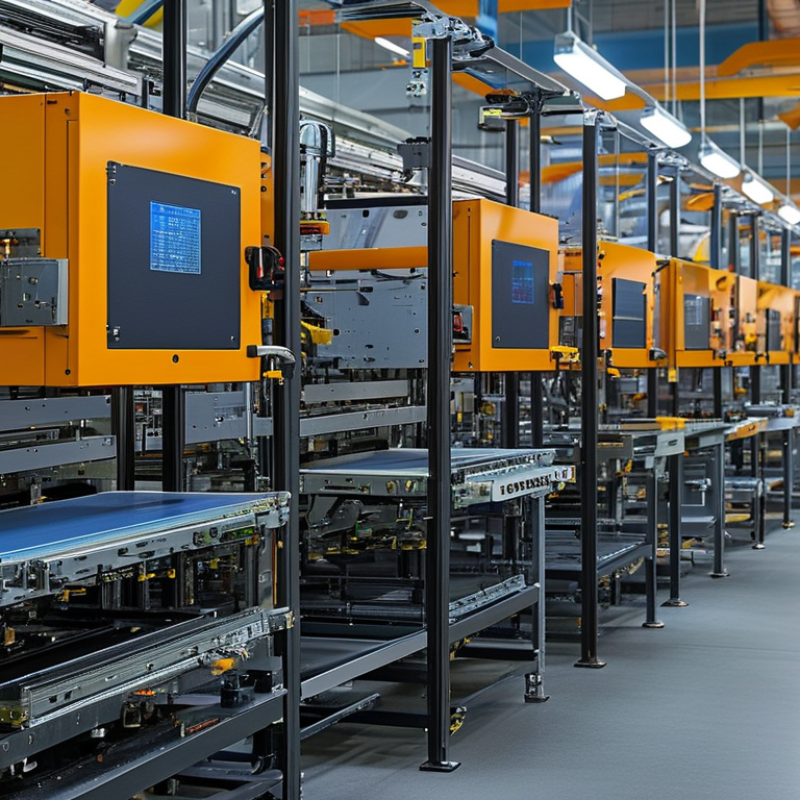
LED UV curing technology has transformed the way industries handle drying and curing processes. This method offers faster curing times compared to traditional techniques. By utilizing light-emitting diodes, it achieves instant results. As a result, production lines enhance their efficiency, meeting demand without sacrificing quality.
One key advantage of LED UV curing is its energy efficiency. Unlike conventional UV lamps, LEDs consume less power and produce less heat. This lowers operational costs and minimizes cooling requirements. Furthermore, the technology reduces waste, making it environmentally friendly. Still, some users may find the initial investment daunting. Evaluating the total cost of ownership is essential, as long-term savings can offset upfront expenses.
Additionally, LED UV curing systems offer flexibility in applications. They work well with various substrates, including plastics and metals. This adaptability allows manufacturers to diversify their offerings. However, challenges remain in ensuring compatibility with specific inks and coatings. Ongoing research is vital to address potential limitations while improving reliability across different sectors. Exploring these aspects can lead to better-informed decisions in the selection of curing systems.
| Feature | Description | Benefits | Application Areas |
|---|---|---|---|
| Wavelength | Typically between 365nm and 405nm | Optimal curing for various inks and coatings | Printing, coatings, adhesives |
| Curing Speed | Rapid curing times from seconds to minutes | Increased productivity and efficiency | Manufacturing, packaging |
| Energy Efficiency | Lower power consumption compared to traditional curing | Reduced operational costs | Electronics, automotive |
| Durability | Cures materials with improved physical properties | Long-lasting products with enhanced performance | Cosmetics, medical devices |
| Safety | Lower risk of VOC emissions | Safer working environment | Industrial settings, printing |
: Understand the material to be cured. Different materials react to UV light uniquely, affecting efficiency.
LED systems are generally more efficient, reducing heat and lowering operating costs. Consider initial investment too.
Different applications need various cure times. A quick cure may lack thorough adhesion. Assess your needs carefully.
Real user insights reveal practical advantages or drawbacks not visible from specifications. This can lead to better decisions.
Higher power systems may cure better. However, they don't always guarantee good results without substrate compatibility.
LED bulb longevity is often praised, but replacements can be costly. This requires careful consideration in your investment.
The article titled "2026 Best Led UV Curing System for Global Buyers Guide" provides a comprehensive overview of LED UV curing technology and its numerous benefits, such as increased efficiency and improved curing quality. It emphasizes the importance of selecting an appropriate LED UV curing system by highlighting key factors, including compatibility with materials, curing speed, and energy consumption.
Furthermore, the article discusses the top LED UV curing systems recommended for 2026, comparing leading brands in the market to help buyers make informed decisions. It also explores future trends in LED UV curing technology, indicating potential innovations that could enhance performance and sustainability. Overall, this guide serves as a valuable resource for buyers looking to invest in an LED UV curing system, ensuring they stay ahead in this evolving market.

 Yaguang Machinery