Choosing the right Led Uv Curing Systems For Printing requires more than comparing lamp power and purchase prices. In 2026, printers must examine curing consistency, energy use, cooling design, maintenance access, and compatibility with inks, substrates, and press speeds. A system that performs well on coated labels may struggle with clear film or heat-sensitive packaging. Small details matter, including reflector cleanliness, LED wavelength, and the distance between the module and printed surface.
As UV technology consultant Dr. David J. M. Wilson explains, “Reliable curing is not simply about higher intensity; it is about delivering the correct dose consistently across the entire web.” That principle should guide every buying decision. A powerful unit can still produce weak adhesion when its optical output is uneven. It can also create unnecessary heat, waste energy, or increase substrate distortion.
This guide compares the leading Led Uv Curing Systems For Printing by practical performance rather than attractive specifications alone. It considers real production concerns, such as curing at 100 meters per minute, reducing downtime, and maintaining color stability during long runs. It also examines control software, replacement costs, installation complexity, and supplier support.
Some choices remain difficult.
No system fits every pressroom. A premium LED module may be excessive for short runs, while a cheaper model may become expensive through maintenance and rejected work. Buyers should test actual inks and materials before committing. Laboratory results can mislead. The most convincing specification sheet still cannot replace a production trial, careful measurement, and honest review of process weaknesses.
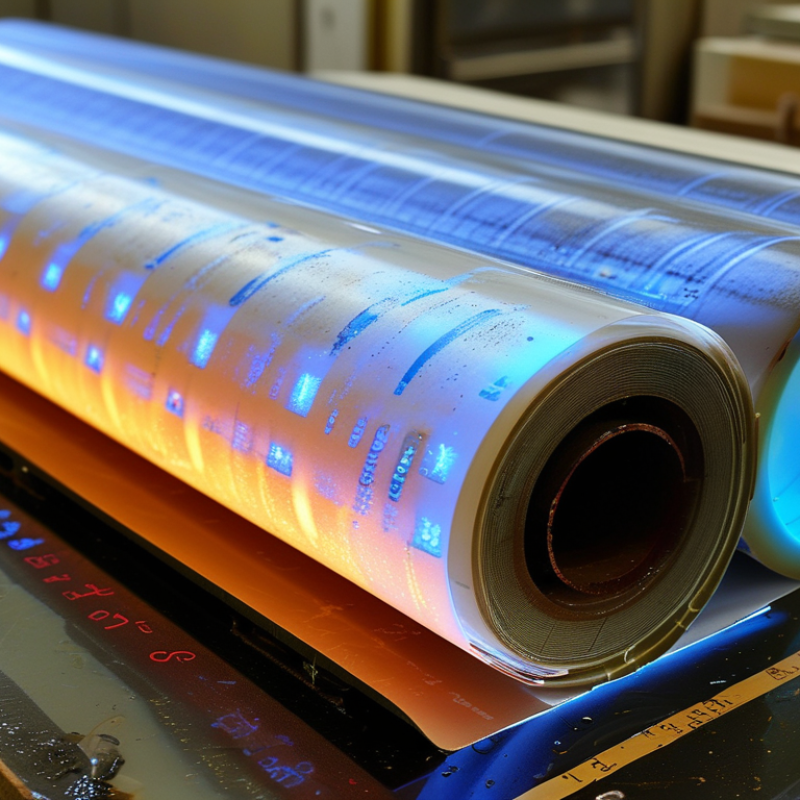
What LED UV Curing Systems Are and How They Work
LED UV curing systems use ultraviolet light to harden inks, coatings, and adhesives during printing. They replace long drying periods with a controlled photochemical reaction. Their LED modules usually emit UVA energy between 365 and 405 nanometers. The ink’s photoinitiators absorb this energy and create reactive compounds. These compounds link liquid resins into a solid film.
The process depends on more than light intensity. A press moves printed material beneath an LED array at a set speed. The system delivers a measured UV dose across the surface. Cooling plates and airflow protect the LEDs from excessive heat. Reflectors help direct energy toward the print. In practical testing, operators check surface dryness, adhesion, gloss, and scratch resistance. A dry surface can still hide incomplete curing underneath.
Settings need careful adjustment. Ink thickness, substrate color, press speed, and lamp distance all affect results. Dark graphics often require more energy than pale areas. Sensitive films may deform under poor heat control. The first setting is rarely perfect. Operators should change one variable at a time and record the result. Radiometers can verify irradiance, but they do not replace adhesion tests. Small gaps between LED modules may also create uneven curing. That detail is easy to miss. Regular cleaning, calibration, and inspection improve consistency and protect production quality.
2026 Best LED UV Curing Systems for Printing Buying Guide
LED UV curing systems emit narrow-band ultraviolet light to activate photoinitiators in inks, coatings, and adhesives. The chart compares common nominal LED wavelengths used in printing with their calculated photon energy. A suitable system should match the wavelength to the photoinitiator absorption range while also providing sufficient irradiance and curing dose.
How it works: UV photons activate the photoinitiator, which starts polymerization and rapidly converts the liquid formulation into a solid film. Shorter wavelengths have higher photon energy, but curing performance depends on wavelength matching, optical intensity, exposure time, ink formulation, substrate, and thermal conditions.
Key Specifications for Comparing LED UV Curing Equipment
2026 Best LED UV Curing Systems for Printing Buying Guide
When comparing LED UV curing equipment, start with measurable performance. Wavelength options commonly include 365, 385, 395, and 405 nanometers. Match the wavelength to the ink chemistry, not merely the printer model. Irradiance, measured in watts per square centimeter, shows curing intensity. Dose, measured in joules per square centimeter, shows delivered energy. Both figures matter. A high irradiance rating means little if the light is uneven across the print width.
Smithers’ UV LED curing market research indicates double-digit growth through 2028, reflecting wider adoption in commercial and industrial printing. RadTech technical reports also document potential energy reductions of up to 70% compared with conventional mercury systems, depending on line speed, cooling, and operating conditions. Treat that figure carefully. Real savings may be lower. Check electrical input, standby consumption, and heat-management requirements. Uniformity above 90% is a useful purchasing target, although application demands differ. Confirm curing at the edges, not only in the center.
Tips: Request a measured dose map at your actual working distance. Ask for test prints using your ink, substrate, and production speed. Review LED module life, thermal stability, control response, and replacement access. IEC 62471-based photobiological safety documentation should also be available. I would not trust a headline efficiency number without test conditions. That comparison is often incomplete.
2026 Best LED UV Curing Systems for Printing Buying Guide - Key Specifications for Comparing LED UV Curing Equipment
| System Class |
Typical Print Applications |
Available Peak Wavelengths |
Typical Irradiance |
Typical Curing Width |
Recommended Press Speed |
Cooling Method |
Approx. Electrical Input |
Expected LED Service Life |
Key Selection Advantage |
| Compact Narrow-Web |
Labels, small-format packaging, digital toner-overprint applications |
365, 385, 395 or 405 nm |
4–8 W/cm² |
100–400 mm |
Up to 50 m/min |
Forced-air cooling |
0.8–2.5 kW per lamp module |
Typically 20,000+ operating hours |
Low installation cost and compact machine integration |
| Mid-Web Production |
Flexible packaging, labels, films and folding cartons |
365, 385, 395 or 405 nm; multi-wavelength options available |
6–12 W/cm² |
400–800 mm |
50–100 m/min |
Air or liquid cooling |
2–6 kW per lamp module |
Typically 20,000+ operating hours |
Balanced throughput, curing performance and operating cost |
| Wide-Web Packaging |
High-volume flexible packaging and wide-format film printing |
385 or 395 nm; 365 nm options for specialized formulations |
8–16 W/cm² |
800–1,600 mm |
80–150 m/min |
Liquid cooling preferred for continuous production |
5–12 kW per lamp module |
Typically 20,000–30,000 operating hours |
High output across broad substrates and production widths |
| Sheetfed Carton |
Commercial printing, folding cartons and coated paperboard |
385 or 395 nm; optional secondary wavelength |
8–14 W/cm² |
500–1,100 mm |
Up to 18,000 sheets/hour, depending on press format |
Air or liquid cooling |
3–10 kW per lamp module |
Typically 20,000+ operating hours |
Suitable for intermittent sheet delivery and variable coverage |
| Digital Inkjet |
Single-pass and scanning inkjet for labels, décor, signage and packaging |
365, 385, 395 or 405 nm, selected to match ink photoinitiators |
2–12 W/cm², adjustable by print mode |
50–1,600 mm |
Up to 100 m/min, depending on ink and resolution |
Air cooling commonly used; liquid cooling for high output |
1–10 kW per lamp module |
Typically 20,000+ operating hours |
Fast electronic control and independent zone switching |
| Hybrid UV Printing |
Processes requiring LED UV plus conventional UV or special-effect coatings |
385 or 395 nm with optional 365 or 405 nm channel |
6–14 W/cm² |
400–1,600 mm |
50–120 m/min |
Liquid cooling recommended for continuous duty |
4–12 kW per lamp module |
Typically 20,000–30,000 operating hours |
Greater process flexibility when substrates and coatings vary |
Buying Notes:
Irradiance is the UV intensity delivered at the substrate surface, while UV dose depends on irradiance, exposure time and press speed. Confirm measured values at the working distance rather than relying only on nominal lamp ratings. Wavelength selection must match the photoinitiator response of the ink, coating or adhesive. Actual speed, power consumption and service life vary with substrate, formulation, duty cycle, cooling conditions and maintenance.
Choosing the Right System for Different Printing Applications
Choosing a UV LED curing system starts with the printing application, not the lamp’s headline power. Grand View Research valued the global UV LED market at approximately US$1.03 billion in 2023 and forecasts a 21.6% CAGR through 2030. This growth reflects demand for faster curing, lower heat, and reduced energy consumption. Yet, market growth does not make every system suitable for every press.
Narrow-web label printing needs stable curing across thin films, adhesives, and dense ink coverage. Select adjustable irradiance and reliable dose monitoring. Flexible packaging requires careful thermal control, especially with heat-sensitive films.
Commercial sheetfed printing often benefits from wider curing zones and rapid heat removal. Industrial inkjet applications may require 385, 395, or 405 nanometer output, depending on ink chemistry and pigment load. RadTech technical guidance stresses measuring both irradiance and delivered dose, rather than relying on rated wattage alone.
Numbers can mislead.
A high-power module may still produce weak curing at the substrate. Ask for test results at the actual press speed, ink weight, and material. Check oxygen inhibition, pinning performance, cooling, maintenance access, and electrical compatibility. Smithers’ UV LED curing research identifies printing as a key growth application, but real performance remains application-specific. I would also test scuff resistance after 24 hours, not immediately after curing. That extra check is easy to skip. It can expose under-curing, poor adhesion, or a mismatch between the system and the ink.
Cost, Safety, and Future-Proofing Considerations for 2026
When selecting an LED UV curing system for 2026, purchase price should not lead the decision. Energy use, lamp life, maintenance time, and rejected prints shape the real cost. My first cost estimate was too optimistic. A system that saves electricity may still lose money if replacement modules are difficult to source. Ask for measured curing data on your actual ink, substrate, and production speed. Request sample testing, not only a sales chart.
Safety deserves practical inspection. Check shielding, interlocks, warning indicators, heat management, and operator access around the curing zone. UV exposure can harm eyes and skin, even when the equipment looks quiet and clean. Ventilation may still matter because inks and coatings can release odors or vapors. Written procedures, training records, and routine checks support safer daily work. Do not treat protective features as optional accessories.
Tips: Compare total ownership cost over five years. Confirm output consistency after warm-up. Choose modular components, accessible controls, and documented calibration steps. Verify that spare parts and technical support will remain available. Open communication matters.
Future-proofing is partly technical and partly organizational. Select systems that can accept updated controls, varied print widths, and changing ink formulations. Ask whether performance data can connect with production monitoring tools. Compatibility claims need evidence. A cheaper unit may fit today’s press but limit tomorrow’s workflow. That risk is easy to underestimate. Reserve budget for testing and staff training, because reliable curing depends on both equipment and disciplined operation.
Conclusion
This 2026 buying guide explains how Led Uv Curing Systems For Printing use controlled ultraviolet energy to cure inks, coatings, and adhesives quickly as materials pass beneath an LED light source. It outlines the key specifications buyers should compare, including wavelength compatibility, curing power, working width, cooling method, energy efficiency, control options, and expected service life. Understanding these factors helps printers select equipment that delivers consistent results without unnecessary operating costs.
The guide also describes how to match curing systems with applications such as labels, packaging, commercial print, signage, and specialty materials. It covers installation requirements, ventilation and electrical considerations, operating procedures, cleaning, inspection, and preventive maintenance. Finally, it reviews total ownership cost, operator safety, regulatory awareness, upgrade flexibility, and future production needs, helping businesses choose a reliable system that supports productivity, quality, and long-term growth through 2026 and beyond.

 Yaguang Machinery