In the industrial sector, efficiency is paramount, particularly when it comes to drying processes. The choice of an optimal Ir Drying System can significantly impact production timelines and product quality. Many industries, including textiles and automotive, rely on effective drying solutions. These systems use infrared technology to accelerate drying times, but not all systems are created equal.
Selecting the best Ir Drying System is crucial for operational success. It involves understanding specific requirements, such as material type, moisture content, and production speed. While there are many options available, some systems may fall short in performance or energy efficiency. It's essential to evaluate factors like heating efficiency and maintenance needs.
In this fast-paced environment, ensuring reliability in drying systems can make a difference. Industrial leaders must be proactive in assessing their current setups and considering advancements in infrared technology. Reflection on past choices can lead to better-informed decisions. Getting it right can enhance productivity and ensure high-quality outcomes, fostering long-term success in competitive markets.
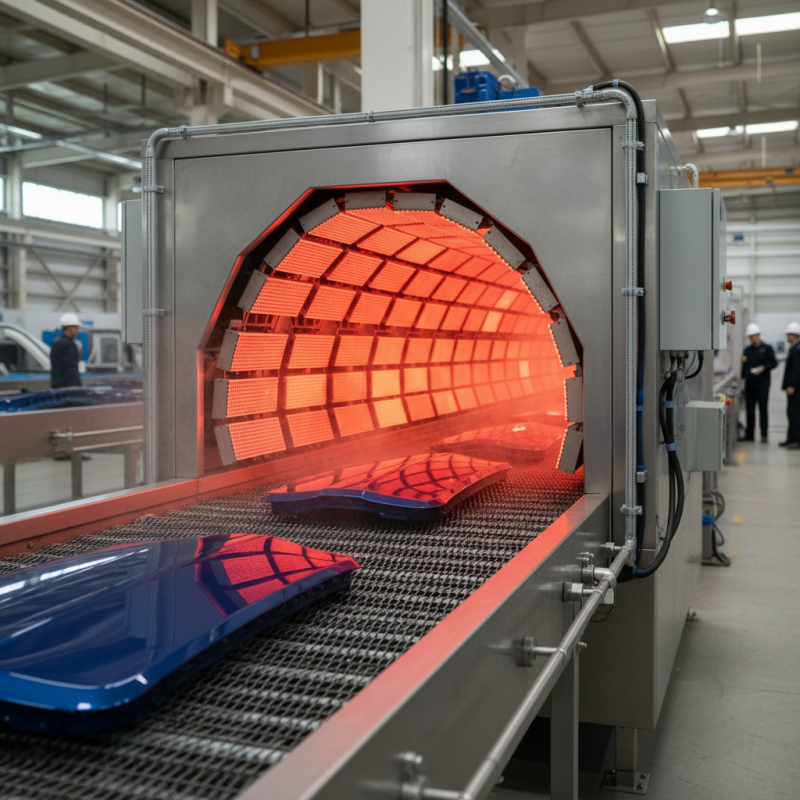
Infrared drying technology has gained popularity in various industrial applications. This method uses infrared radiation to heat materials directly, improving efficiency significantly. It works by targeting moisture in products, reducing drying times.
One of the greatest advantages of infrared drying is its energy efficiency. It minimizes heat loss, ensuring that most of the applied energy goes directly to the moisture. This is particularly beneficial in environments where drying large quantities of materials is essential. However, not all materials respond equally to infrared heating. Some may require careful adjustments to achieve optimal results.
Implementing infrared drying systems also presents challenges. Operators must ensure that temperatures are evenly distributed. Uneven heating can lead to defects or inconsistencies in the final product. Additionally, training personnel to operate these systems effectively is crucial. Regular maintenance is also needed to ensure reliability. While infrared technology offers significant benefits, careful consideration is necessary to optimize performance.
Infrared (IR) drying systems offer significant advantages in industrial settings, enhancing efficiency in various applications. One key benefit is their speed. Unlike traditional drying methods, IR systems heat materials directly. This leads to reduced drying times, which can significantly boost production rates.
Energy efficiency is another notable advantage. IR systems often consume less energy, lowering operational costs over time. Fewer emissions also contribute to a greener manufacturing process. However, one must consider the initial setup costs and ongoing maintenance, which can be high relative to traditional systems.
The versatility of IR drying systems allows for use with diverse materials, from textiles to coatings. Their adaptability is a strong point, yet it may require careful calibration to achieve optimal results. Each material reacts differently to infrared light, and improper settings could lead to inconsistent quality. Though IR systems show great promise, manufacturers must constantly evaluate their processes.
When selecting an infrared (IR) drying system, several critical factors should guide your decision. Efficiency is a top priority. Reports indicate that modern IR systems can reduce drying times by 30% to 60% compared to conventional methods. This significant decrease in time translates to increased productivity on the industrial floor. Understanding the specific materials involved in the drying process is essential. Different materials absorb IR energy differently, impacting the effectiveness of the drying process.
Another crucial factor is the system's energy consumption. Studies reveal that advanced IR systems offer improved energy efficiency, reducing operational costs substantially. The right system should align with your production capacity and operational demands. It's worthwhile to assess the layout of your facility. Space constraints may limit your options. Consider the buying cost versus the long-term benefits. An initially higher investment in a more efficient system may pay off through operational savings over time.
Finally, ongoing maintenance cannot be overlooked. Regular upkeep ensures that the system operates at peak performance. Industry data suggests that maintenance neglect can lead to a 20% reduction in drying efficiency over time. It's vital to engage with trusted professionals during your selection process. Their expertise can help in making informed decisions that optimize your drying process. Balancing these aspects can lead to improved efficiency and cost-effectiveness.
When evaluating IR drying systems for industrial applications, efficiency is key. These systems vary in design and functionality. Common types include conveyorized units and batch dryers. Conveyorized IR dryers offer continuous drying processes, making them ideal for high-volume production. On the other hand, batch dryers provide flexibility for smaller operations.
A key consideration is heating technology. Some systems utilize short-wave IR radiation, ensuring quick moisture removal. Others rely on medium-wave radiation, which penetrates deeper into materials. Choosing the right technology is crucial. Assess your specific materials and processes before making a decision.
Tips: Ensure proper positioning of the IR source. This optimizes drying speed and energy use. Regular maintenance is essential too. It helps maintain efficiency and prolongs the lifespan of the system. Always keep an eye on performance metrics. This allows for timely adjustments and potential upgrades. Reflect on past experiences with different systems to guide your future choices.
Implementing an effective infrared (IR) drying system can significantly enhance production efficiency in industrial environments. One critical aspect is ensuring proper material placement. IR radiation should uniformly reach the material surface. Uneven exposure can result in inconsistencies in drying rates. Regular checks and adjustments are necessary to maintain optimal performance.
Another best practice involves monitoring the temperature and humidity levels during the drying process. High humidity can delay drying, while excessive heat can damage products. Using sensors to track these factors allows for real-time adjustments. This proactive approach helps prevent material defects and maintains quality.
Workforce training is crucial too. Operators need to understand how the IR system works. Knowledgeable staff can make informed decisions during operation and maintenance. Frequent training sessions can highlight best practices and common pitfalls. Emphasizing continuous improvement creates a culture where efficiency thrives.
: IR drying systems offer speed, reducing drying times significantly. They also enhance energy efficiency and lower operational costs.
IR systems heat materials directly, leading to shorter drying times. Traditional methods often take longer and are less efficient.
Consider efficiency, energy consumption, and the specific materials you'll use. Layout and long-term costs are also important.
Different materials absorb IR energy differently. Proper calibration is essential for quality results; otherwise, inconsistencies may occur.
Regular maintenance ensures peak performance. Neglecting maintenance can lead to a 20% reduction in drying efficiency over time.
Assess your production needs. Conveyorized units suit high-volume operations, while batch dryers are better for flexibility.
Choose between short-wave and medium-wave radiation. This will depend on your specific materials and desired drying speed.
Position the IR source properly for maximum efficiency. Regularly monitor performance metrics to identify areas for improvement.
Trusted professionals can provide valuable insights. Their expertise helps in making informed decisions about the right system for you.
Yes, past experiences can guide future choices. Learning from previous setups can improve your decision-making process.
Infrared (IR) drying technology has emerged as a revolutionary solution for enhancing efficiency in industrial applications. By utilizing infrared radiation, the IR drying system accelerates the drying process, significantly reducing energy consumption and downtime. The key benefits of adopting IR drying systems include improved productivity, uniform heat distribution, and reduced environmental impact, making them a preferred choice for many industries.
When selecting an IR drying system, several factors must be considered, such as material compatibility, energy efficiency, and system scalability. A thorough comparison of various IR drying systems helps identify the most suitable options tailored to specific industrial needs. Implementing best practices during the integration of IR drying technology ensures optimal performance and maximizes the benefits, leading to improved operational efficiency in industrial settings.

Yaguang Machinery