Discover the Best UV Curing Systems for Your Business Needs?

Time:2026-07-10 Author:Charlotte
0%

In today's competitive market, selecting the right UV curing system is critical for businesses aiming to enhance efficiency and product quality. Reports indicate that the global UV curing equipment market is expected to grow significantly, reaching over $2 billion by 2025. This increase is driven by advancements in technology and the rising demand for sustainable manufacturing processes.

Choosing the ideal UV curing system involves assessing key factors such as application, environment, and budget. For instance, different systems might offer varying curing speeds and energy consumption, impacting overall production workflows. A thoughtful selection process is essential, yet many businesses struggle to balance cost with capabilities.

Despite the numerous advantages of UV curing, including faster curing times and lower VOC emissions, improper integration can lead to inefficiencies. Analyzing specific requirements can help in making informed decisions. This exploration will provide insights into the best UV curing systems tailored for your needs, ensuring you make choices that enhance reliability and quality in your operations.
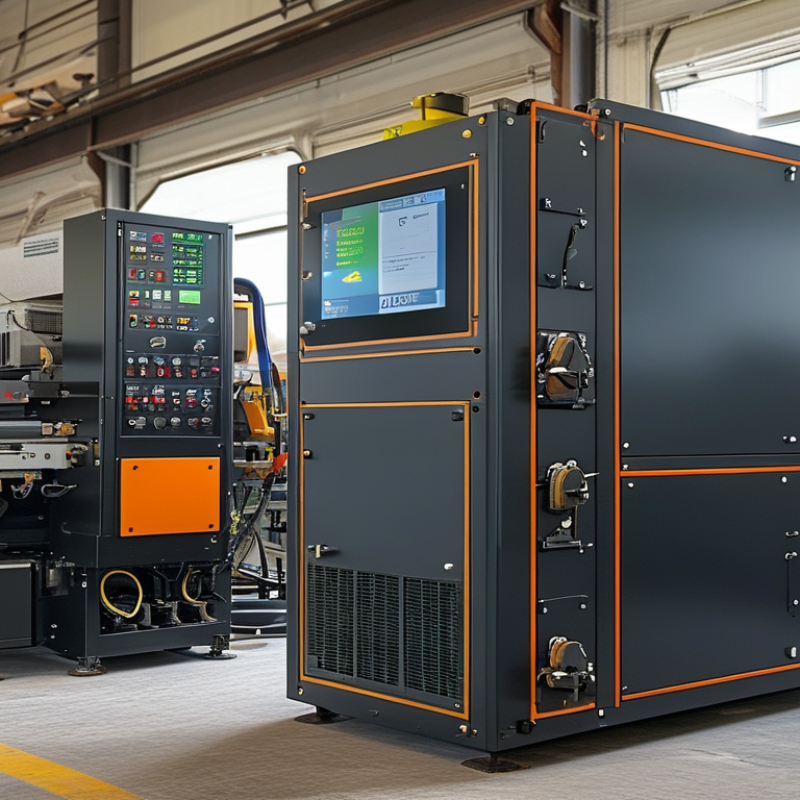
Discover the Best UV Curing Systems for Your Business Needs?

Types of UV Curing Systems Available in the Market

When selecting a UV curing system, it's essential to understand the different types available in the market. The most common types include low-pressure mercury lamps, LED UV systems, and UV-LED hybrids. Each type has distinct features that cater to various business needs.

Low-pressure mercury lamps are known for their effective curing ability. They emit a broad spectrum of UV light, allowing for fast drying of inks and coatings. However, they can be less energy-efficient and require more maintenance. On the other hand, LED UV systems are compact and provide instant on/off capabilities. They consume less energy, making them suitable for businesses focused on sustainability. Still, they may not cure all materials effectively.

Tips: Evaluate your production speed when choosing a system. Slower processes can benefit from mercury lamps, while faster operations might lean towards LED options. Also, consider the materials you'll be curing. Some substrates need specific wavelengths to cure properly.

UV-LED hybrids blend the strengths of both types. They offer flexibility and efficiency, potentially enhancing your workflow. However, initial costs can be higher. Research and compare options thoroughly to avoid costly mistakes. Test small batches before fully committing to a system.

Key Considerations for Selecting UV Curing Equipment

When selecting UV curing equipment, several key considerations come into play. First, assess your specific application requirements. Different materials may require distinct wavelengths or intensities. According to a report by the UV & EB Curing Technologies Group, about 70% of users find optimal performance by aligning equipment choices with material characteristics.

Another essential factor is the size and scalability of the UV curing system. Investigate how the system fits into your existing space and workflow. Over 60% of businesses report challenges with equipment that doesn’t integrate well with their current processes. Flexibility to adapt and expand is crucial, especially if business growth is anticipated.

Tips: Always conduct a thorough analysis of energy efficiency. Systems that minimize energy consumption can provide significant cost savings. Regular maintenance is vital for consistent performance, yet many overlook this aspect. A reliable UV curing system should have accessible support and a good track record for longevity.

Consider the long-term implications of your investment. While upfront costs matter, durability and replacement parts can tremendously affect overall expenditure. Seek to understand the specifications fully, as brands may prioritize marketing over reliability.

Evaluating the Efficiency and Cost-Effectiveness of UV Systems

When evaluating UV curing systems, efficiency and cost-effectiveness are critical factors. A well-implemented UV curing process can significantly boost production speed. Many businesses see a reduction in drying times, leading to improved throughput. However, not every system offers the same benefits.

Consider your production volume. Smaller operations may choose lower-cost options. Larger businesses may require more complex systems. A balance is essential to avoid overspending. Additionally, maintenance costs can accumulate. Investing in durable equipment leads to long-term savings.

Tips: Ensure proper training for your staff. Understand the system's capabilities and limitations. Regular maintenance extends the life of your equipment. Assess energy consumption, as this impacts operating costs directly. Being aware of these details can help you make informed decisions.

Discover the Best UV Curing Systems for Your Business Needs

System Type Power Output (W) Curing Speed (m/min) Energy Efficiency (%) Cost ($)
LED UV Curing System 500 10 90 3000
Mercury Vapor UV System 1000 8 70 2500
Pulsed UV Curing System 600 12 85 4000
Compact UV Curing System 300 7 75 2000
High-Performance UV System 800 15 92 5000

Applications of UV Curing in Various Industries

UV curing technology has transformed various industries, offering rapid and efficient solutions for different applications. In the printing sector, UV curing is paramount. It allows for quick drying of inks, enhancing productivity. Reports indicate that UV printing can nearly double production speed compared to conventional methods. This rapid process reduces downtime, a critical factor for industries striving for efficiency.


In electronics, UV curing is crucial for conformal coatings. These coatings ensure that electronic components are protected from moisture and dust. Research shows that UV-cured coatings can improve product reliability by up to 30%. Additionally, the automotive sector leverages UV curing for adhesive bonding. Strong, durable bonds reduce production time, ensuring vehicles are assembled faster without compromising quality.


However, not all applications are without challenges. Some UV systems may generate heat, potentially damaging sensitive substrates. It's essential to select the correct wavelength and intensity for each application. For many businesses, balancing efficiency with product integrity remains an ongoing concern. Companies may need to invest in training or equipment to mitigate these issues effectively.

Maintenance and Safety Practices for UV Curing Systems

When using UV curing systems, maintenance is crucial. Regular inspection of the equipment helps identify potential issues early. This can prevent costly downtime. The UV lamps must be replaced periodically. Worn-out lamps can affect curing efficiency and product quality. Additionally, dirty reflectors can reduce UV output. A clean reflector ensures optimal performance.

Safety practices are equally important. Always wear protective gear when working near UV lights. Even brief exposure can be harmful. Ensure that work areas are well-ventilated to disperse any ozone generated. Establish safety protocols for handling and storing materials used in the curing process.

Reflect on your current practices. Are there areas you can improve? Regular training for staff can enhance safety and efficiency. Emphasizing a culture of safety can lead to better overall results. Taking these steps will help maintain not only your UV systems but also a safer work environment.

FAQS

: What types of UV curing systems are available?

: Common types include low-pressure mercury lamps, LED UV systems, and UV-LED hybrids. Each has unique features.

What are the advantages of low-pressure mercury lamps?

They cure effectively and emit a broad spectrum of UV light but may require more maintenance.

What are the benefits of LED UV systems?

LED systems are compact and energy-efficient, providing instant on/off capabilities. They suit sustainable businesses.

What should I consider when choosing a UV curing system?

Evaluate your production speed and the materials you’ll cure. Some substrates need specific wavelengths.

How should I maintain UV curing systems?

Regularly inspect equipment and replace worn-out lamps. Ensure reflectors are clean for optimal performance.

What safety measures should be followed during UV curing?

Wear protective gear, ensure good ventilation, and establish safety protocols for handling materials.

How can I improve my current practices for UV systems?

Reflect on current processes and seek areas for improvement. Regular staff training can enhance safety and efficiency.

Are there risks associated with UV light exposure?

Yes, even brief exposure can be harmful. Proper safety measures must be taken to minimize this risk.

What is the downside of using UV-LED hybrids?

They offer flexibility but may involve higher initial costs. Thorough research is needed before committing.

Conclusion

UV curing systems are essential tools for various industries, offering efficient and rapid curing processes for inks, coatings, and adhesives. When selecting a UV curing system, businesses must consider the types available in the market, including medium pressure mercury lamps, LED systems, and more. It is crucial to evaluate the efficiency and cost-effectiveness of these systems to ensure they meet specific business needs while providing maximum return on investment.

Moreover, understanding the diverse applications of UV curing across industries—from automotive to electronics—highlights its versatility. Proper maintenance and adherence to safety practices are also vital for ensuring longevity and optimal performance of UV curing systems. By carefully assessing these factors, companies can choose the right UV curing technology to enhance productivity and quality in their operations.

Charlotte

Charlotte

Charlotte is a seasoned marketing professional with a deep understanding of the company's portfolio and a passion for elevating its presence in the market. With a keen eye for detail and a commitment to excellence, she ensures that our professional blog is regularly updated with insightful articles......