What is the Best UV Drying System for Global Buyers?

Time:2026-04-13 Author:Henry
0%

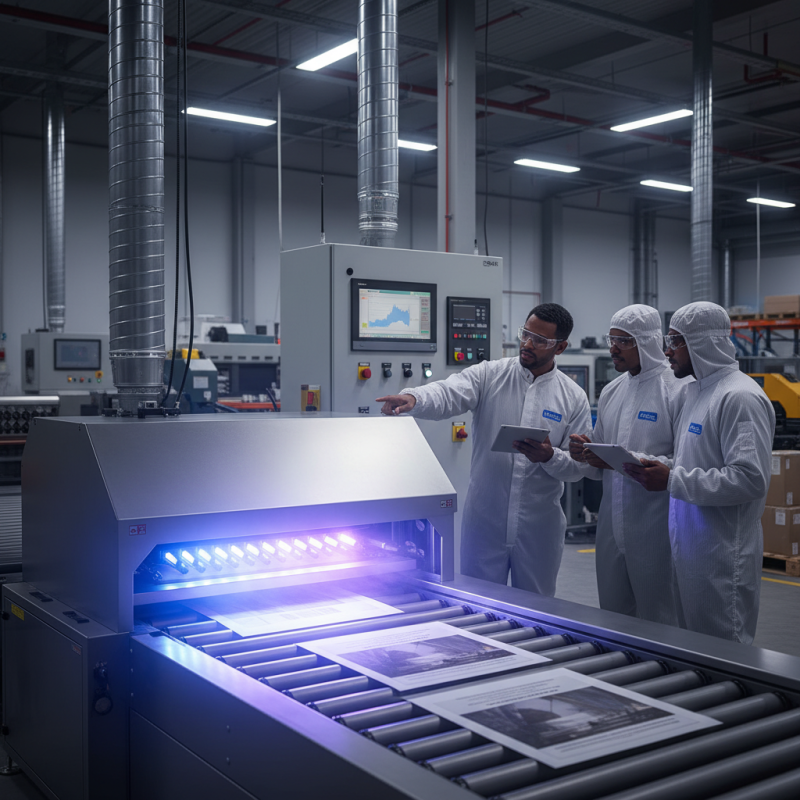
The demand for UV drying systems is on the rise globally. These technologies are crucial in various industries, including printing, coatings, and adhesives. As businesses seek to enhance efficiency, selecting the right UV drying system can be challenging. Numerous options are available, each offering unique advantages and potential drawbacks.

Understanding the specifics of UV drying systems is vital. Buyers should consider factors such as speed, energy consumption, and compatibility with existing equipment. Many systems promise fast curing times but may consume excessive energy. Ensuring sustainability while achieving desired performance is a common dilemma.

Global buyers must also be wary of product claims. Some manufacturers may exaggerate benefits without substantial evidence. To make an informed decision, buyers should seek out credible reviews and consult industry experts. This preparation can lead to a system that truly meets the unique needs of their operations.
What is the Best UV Drying System for Global Buyers?

Key Factors to Consider When Choosing a UV Drying System

When choosing a UV drying system, several key factors come into play. The type of application is paramount. Different industries require unique drying properties. Understanding your specific needs helps in selecting the right technology. For instance, certain materials demand more intense UV light exposure for effective drying.

Another critical aspect is the system's size. Space limitations can impact your choice significantly. A compact system can fit into smaller operations, but it may lack the capacity for larger tasks. Conversely, larger units might not be feasible for smaller production lines. It’s essential to evaluate your production scale carefully.

Energy efficiency is also vital. Systems that consume less power can reduce overall operating costs. However, vendors might sometimes exaggerate energy savings. Therefore, it's important to review performance data critically. Ideally, the system you choose should balance efficiency and output quality. You should weigh all factors thoroughly before making a decision.

Types of UV Drying Technologies Available in the Market

UV drying technologies have gained significant attention in various industries. They provide efficient and eco-friendly solutions for drying inks, coatings, and adhesives. Understanding the different types can help global buyers make informed decisions.

One prominent technology is UV LED drying. This method employs light-emitting diodes instead of traditional mercury lamps. It offers energy efficiency and longer lifespans. Another option is traditional mercury arc lamps. These have been around for years and are known for their high output. However, they consume more energy and have a shorter operational life.

Another emerging option is hybrid systems. They combine both UV and conventional drying methods. This versatility makes them attractive for businesses seeking flexibility. Despite the advantages, buyers must consider their specific needs and possible limitations of each technology. Not every system may fit every application perfectly. It's crucial to assess factors like production speed and substrate compatibility when choosing.

Comparative Analysis of Leading UV Drying Brands

When choosing the best UV drying system, a comparative analysis of leading brands is essential. Different systems vary in efficiency, technology, and suitability for specific applications. Some are designed for high-speed production lines, while others are better suited for smaller batch jobs. Understanding the differences can help buyers make informed decisions.

Tips: Always check the compatibility of the UV system with your materials. Not all inks or coatings cure well under UV light. Conducting tests before full-scale implementation can save time and resources.

This comparison process can seem overwhelming due to the varying features. For example, some brands may offer advanced cooling systems to prevent overheating, which can improve durability. Yet, the added features often increase costs. Reflecting on your specific needs may help you prioritize essential features over flashy extras.

Tips: Look for user reviews and case studies. Real-world experiences provide valuable insights into performance and reliability. Such information can guide your decision-making process and may bring to light issues that are not obvious in product specifications.

Cost-Effectiveness and ROI of UV Drying Systems

When considering the cost-effectiveness of UV drying systems, it’s essential to analyze initial investment versus long-term savings. UV drying technology can streamline operations, reduce energy consumption, and minimize waste. Companies often notice a quick reduction in operational costs. However, the initial setup can be daunting.

Investing in UV technology requires thoughtful consideration. Many buyers question the ROI, especially in industries dealing with fluctuating material costs. A thorough cost analysis can reveal potential savings over time. While some users experience immediate benefits, others may take longer to achieve desired results. The need for proper training and maintenance adds complexity. This can lead to initial setbacks, making it crucial to assess long-term value carefully.

In competitive markets, UV drying systems are becoming more popular. The technology's efficiency can greatly impact production rates. However, every decision should be based on detailed evaluation and sound judgment. The choice of a UV drying system should align with specific business goals and production needs. Attention to potential challenges is just as important as recognizing benefits. Detailed planning makes all the difference in ensuring a solid return on investment.

User Feedback and Case Studies on UV Drying Performance

The effectiveness of UV drying systems often comes down to real-world performance. User feedback highlights significant variances in drying speed and quality among different technologies. A recent industry report indicated that systems with higher intensity UV bulbs can reduce drying time by 50%. However, many users noted challenges with uneven drying on complex surfaces. This imperfect outcome raises concerns about quality consistency.

Case studies provide deeper insights into UV drying applications across various sectors. One analysis showed that in the wood finishing industry, UV drying boosted production efficiency by 30%. Still, some manufacturers faced issues with adhesion in certain conditions. These challenges remind us that while UV systems offer advancements, they also require careful application and ongoing evaluation. Users are advised to engage in comprehensive testing to optimize settings for their specific materials and environments.

What is the Best UV Drying System for Global Buyers? - User Feedback and Case Studies on UV Drying Performance

Country User Satisfaction (%) Drying Speed (m/min) Energy Consumption (kW) Application Type Case Study Summary
USA 85 12 4.5 Ink & Coatings High throughput with consistent quality.
Germany 90 10 3.8 Packaging Improved drying efficiency in packaging lines.
Japan 82 15 4.0 Electronics Significant reduction in defect rates.
China 88 14 5.2 Textiles Dramatic improvements in production speed.
Brazil 80 11 4.1 Wood Finishing Enhanced surface quality with faster turnaround.

FAQS

: What should I consider when choosing a UV drying system?

: Check efficiency, technology, and applicability. Assess if it fits high-speed or small batch jobs.

How can I ensure materials are compatible with UV drying?

Test inks and coatings under UV light before full-scale use. This prevents future issues.

Are added features worth the extra cost in UV drying systems?

Advanced features like cooling systems enhance durability but can raise costs. Evaluate your essential needs.

How do user reviews influence the decision-making process?

Real-world experiences offer insights into performance and reliability. They highlight potential hidden issues.

What is the ROI for investing in UV drying technology?

Analyze initial costs against long-term savings. Immediate benefits vary; some may take longer to achieve.

What challenges might arise with UV drying systems?

Users report inconsistent drying on complex surfaces. This raises concerns about quality and uniformity.

How significant is user feedback in optimizing UV drying performance?

Feedback helps identify drying speed and quality issues. Ongoing evaluation improves results over time.

Why is detailed planning crucial for UV drying system purchases?

Thorough evaluations align choices with business goals. Attention to challenges ensures better ROI.

Can training impact the effectiveness of UV drying systems?

Proper training is essential. Lack thereof can lead to setbacks and hinder optimal performance.

What insights do case studies provide about UV drying applications?

They show efficiencies and challenges across sectors. Real-life examples guide best practices and testing.

Conclusion

The article "What is the Best UV Drying System for Global Buyers?" explores essential criteria for selecting an ideal UV drying system. Key factors include understanding specific application needs, evaluating the efficiency and speed of drying technologies, and considering the environmental impact. Various UV drying technologies are analyzed, highlighting the differences in performance, energy consumption, and suitability for different materials.

Additionally, the discussion includes a comparative analysis of leading UV drying brands, focusing on their unique features and user experiences. Cost-effectiveness and return on investment (ROI) are also critical considerations for buyers, ensuring that the chosen system not only meets operational requirements but also aligns with budget constraints. User feedback and case studies provide valuable insights into real-world performance and reliability, aiding global buyers in making informed decisions about their UV drying systems.

Henry

Henry

Henry is a dedicated marketing professional with a profound expertise in the company's offerings. With years of experience in the industry, he possesses an impressive understanding of the market dynamics and consumer behaviors that drive success. Henry is committed to sharing his insights through......