In today’s manufacturing landscape, efficiency is crucial. Businesses constantly seek ways to streamline processes and enhance productivity. An increasing number of companies are recognizing the value of an IR Drying System. This innovative technology offers many advantages that traditional drying methods cannot match.
Choosing an IR Drying System means embracing rapid drying capabilities. The infrared technology penetrates materials deeply, ensuring thorough results. This system is not only efficient but also environmentally friendly. Companies can reduce energy consumption while improving output quality. However, it's important to note that not every business might benefit equally. A detailed assessment of specific needs is necessary.
Investing in an IR Drying System could transform your operations. Still, it requires careful consideration. Are the costs justifiable based on your production demands? Can your workforce adapt to the new technology? The answers to these questions will help guide your decision-making process.
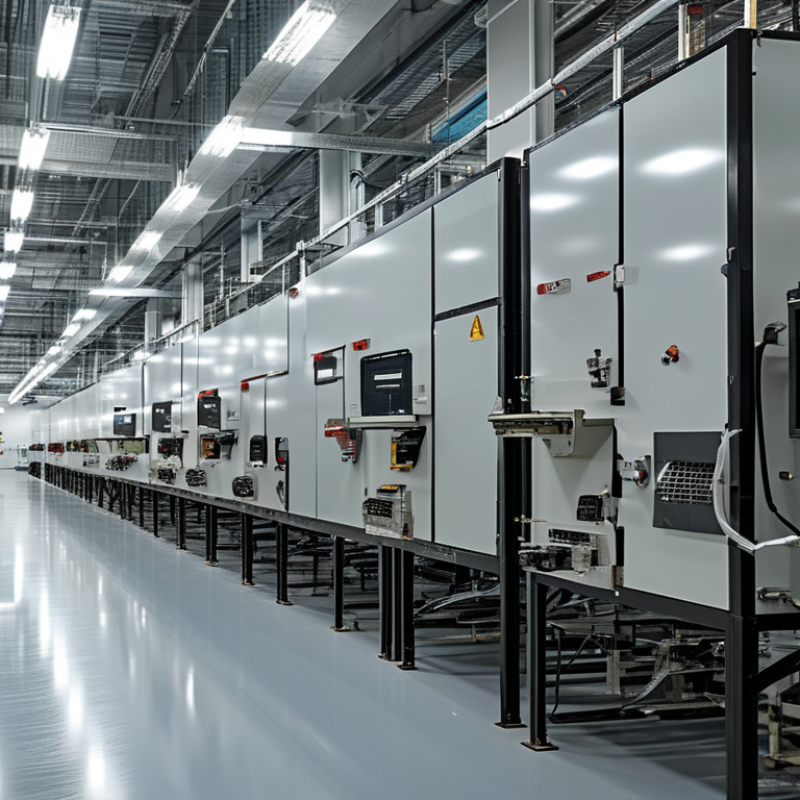
Infrared (IR) drying systems bring numerous advantages to various industries. These systems use infrared radiation to effectively and efficiently dry materials. Unlike conventional methods, IR drying targets specific areas without heating the entire environment. This can lead to more energy savings and reduced costs for businesses.
In industries like food processing, textiles, and woodworking, the benefits are clear. For example, drying fruits with IR can preserve nutrients better compared to traditional drying methods. The precision of infrared drying allows for consistent quality control. Yet, some companies may struggle with adjusting to this technology. Transitioning from traditional methods involves a learning curve that can be daunting.
Manufacturers also see advantages. Reduced drying times can speed up production. However, it’s essential to evaluate the initial investment against long-term gains. While IR systems can improve efficiency, not all businesses may experience immediate benefits. Each company must reflect on its unique needs and capacity for change.
Infrared drying technology has gained traction in various industries due to its efficiency and precision. One key feature is its ability to target water molecules directly. This method reduces drying times significantly compared to traditional methods. A report by the International Drying Symposium notes that infrared dryers can cut drying times by 50% or more, enhancing productivity.
Another significant advantage is energy efficiency. Infrared systems use less energy because they heat objects directly rather than the surrounding air. According to a study published in the Journal of Industrial Ecology, infrared drying can save up to 40% in energy consumption. This is a compelling statistic for businesses aiming to lower operational costs and reduce their carbon footprint.
While the technology shows great promise, there are challenges to consider. For example, not all materials respond well to infrared drying. Some may require adjustments in temperature or duration to achieve optimal results. Industry experts suggest performing compatibility tests to avoid inefficiencies. This may cause initial setbacks in implementation but is crucial for long-term success.
Infrared (IR) drying systems have emerged as a superior alternative to traditional drying methods in various industries. Traditional drying often involves hot air or convection, which can be slow and uneven. This inefficiency often leads to higher energy costs and prolonged drying times. In contrast, IR drying employs radiant heat, directly targeting the material. This results in faster drying and better energy efficiency.
The technology behind IR drying allows for precise control over the drying process. This means less risk of damaging sensitive materials. For instance, thin fabrics or delicate products can dry evenly without the risk of overheating. However, not every application is suited for IR drying. Some materials may require specific drying conditions that IR cannot provide. Therefore, it is essential to evaluate the unique needs of your business.
Despite the advantages, there are challenges. Initial investment costs for IR systems may be higher than traditional methods. Businesses should conduct a cost-benefit analysis. Not everyone may achieve the desired results immediately. There may be a learning curve involved in adjusting to this advanced technology. Nevertheless, with proper implementation, an IR drying system can greatly enhance productivity and product quality.
Infrared drying systems have emerged as a game-changer in various industries, especially in manufacturing and food processing. Their cost-effectiveness stems from reduced energy consumption. According to a 2022 report by the International Energy Agency, infrared systems can save up to 30% on energy costs compared to traditional drying methods. This is significant for businesses looking to cut operational expenses.
Moreover, infrared drying systems offer faster processing times. The same report highlights that these systems can reduce drying time by nearly 50%. A quicker drying process means higher productivity for manufacturers. For companies processing materials like textiles or wood, this acceleration translates directly into improved output and revenue streams. However, businesses must also consider the initial investment and maintenance costs. Analyzing the long-term savings is essential.
In more detail, infrared technology works by emitting heat directly to the material, avoiding the extensive energy loss associated with air-based systems. Nevertheless, this method may not suit all applications perfectly. Certain materials might react differently to infrared radiation, necessitating thorough testing before full implementation. Balancing upfront costs with long-term benefits requires careful consideration and planning.
| Feature | Infrared Drying System | Traditional Drying System |
|---|---|---|
| Initial Investment | $15,000 - $50,000 | $20,000 - $75,000 |
| Energy Consumption | 30-50% less | Standard consumption |
| Drying Time | Faster (10-30 min) | Slower (30-90 min) |
| Operating Temperature | Lower temperatures | Higher temperatures |
| Material Loss | Minimal | Higher percentage |
| Maintenance Cost | Lower ($500/year) | Higher ($1000/year) |
| Return on Investment (ROI) | 1-2 years | 2-4 years |
Integrating infrared (IR) drying systems into operations can significantly enhance efficiency. According to a recent industry report, businesses utilizing IR technology can reduce drying time by up to 50%. This impressive improvement allows for quicker turnaround times in production, leading to increased output. The efficiency gain directly translates to better resource management and cost savings for companies.
However, adopting an IR drying system is not without its challenges. Operators must ensure proper calibration to maximize effectiveness. Inadequate adjustments can lead to inconsistent drying performance. A lack of operator training can also hinder the benefits of IR drying. Research shows that facilities investing in employee education report a 40% reduction in errors during the drying process.
In addition, implementing IR drying requires careful consideration of materials. Not all substrates respond equally to infrared energy. Some may require trial and error to find the optimal settings, making it crucial to evaluate various materials' responses. Balancing quality and efficiency remains a complex task. Ultimately, while IR drying systems offer substantial advantages, the integration process demands a thoughtful approach to see tangible results.
: Infrared drying systems save energy by targeting specific areas for drying. This increases efficiency in various industries.
It helps preserve nutrients by drying fruits more effectively than traditional methods. Quality control improves with precision drying.
Transitioning requires a learning curve that can be challenging. Adjusting to new technology may lead to initial difficulties.
These systems can save up to 30% on energy costs and reduce drying times by nearly 50%. This impacts overall productivity.
Yes, some materials might react poorly to infrared radiation. Testing is needed before making full commitments.
Evaluate initial costs against potential long-term savings. Reflect on unique needs and capacity to adapt to new technologies.
Yes, faster drying leads to higher productivity and can enhance revenue streams. This is particularly beneficial in manufacturing.
Companies may struggle with the transition. Some may not see immediate benefits, requiring reflection on efforts and adjustments.
They offer more targeted heat application and less energy loss, but effectiveness can vary by material type. Testing is crucial.
Maintenance costs can impact the overall cost-effectiveness. Companies should budget for these to ensure sustained benefits.
The article "Why Choose an Ir Drying System for Your Business Needs?" explores the numerous advantages of infrared drying technology across various industries. It highlights key benefits such as enhanced efficiency, reduced energy consumption, and improved product quality, making Ir Drying Systems an attractive option for businesses looking to optimize their drying processes. The comparison with traditional methods illustrates how infrared technology significantly shortens drying times while maintaining energy savings.
Furthermore, the article discusses the cost-effectiveness of implementing Ir Drying Systems, emphasizing the long-term financial benefits that outweigh initial investments. It also provides best practices for integrating infrared drying into existing operations, ensuring a smooth transition and maximizing productivity. Overall, the adoption of an Ir Drying System can lead to significant improvements in operational efficiency and product output in diverse manufacturing settings.

Yaguang Machinery