How to Choose the Best Fusion UV Curing System for Your Needs?

Time:2026-06-19 Author:Madeline
0%

Choosing the right Fusion UV Curing System can transform your production process. With various options available, decision-making can be overwhelming. Each system boasts unique features that cater to different applications. Understanding these nuances is crucial for effective selection.

Evaluating your specific needs is the first step. Consider factors such as the materials you use, production speed, and energy efficiency. The right Fusion UV Curing System not only enhances quality but can also impact costs. Familiarize yourself with industry standards and innovations to identify potential pitfalls.

Consulting experts can provide valuable insights. Manufacturer specifications and user feedback are essential for informed choices. Investing time in research pays off. The better your understanding, the more successful your implementation will be. Remember, the choice of the Fusion UV Curing System is not merely a technical decision; it shapes your entire workflow.
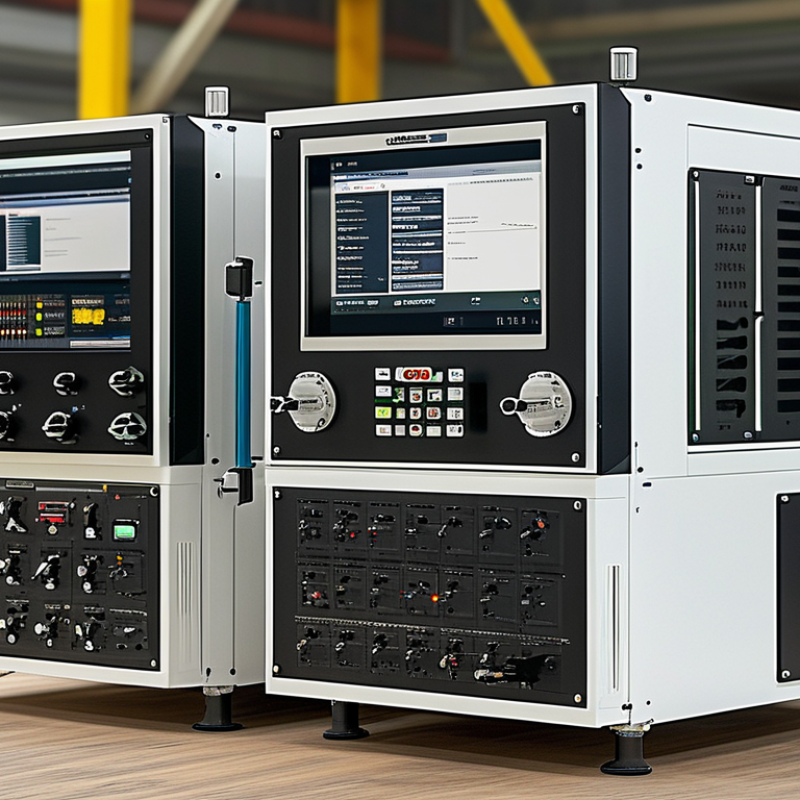
How to Choose the Best Fusion UV Curing System for Your Needs?

Understanding Fusion UV Curing Technology and Its Applications

Fusion UV curing technology is an innovative process widely used in various industries. It employs ultraviolet light to harden or cure materials instantly. This method finds applications in printing, coating, and adhesive bonding. Data from the Global UV Curing Market Report indicates a projected growth of 8.5% annually through 2026. This growth is driven by increased demand in sectors such as automotive and electronics.

When selecting a Fusion UV curing system, consider specific needs. The type of substrate, desired curing speed, and production volume are crucial. A defect often overlooked is the over-curing of materials, which can lead to brittleness. Manufacturers should always evaluate the compatibility of inks and substrates to minimize such issues.

Tips for choosing the right system: First, assess your production speed requirements. High-speed lines benefit from powerful UV sources. Second, consider energy efficiency; a system that uses less power is both cost-effective and environmentally friendly. Finally, do not ignore maintenance needs; systems that require excessive upkeep can disrupt production. Understanding these factors will aid in making an informed decision.

Key Factors to Consider When Choosing a Fusion UV Curing System

Choosing the right Fusion UV curing system requires careful thought. Begin by assessing your specific application needs. Different projects demand varying levels of curing speed and energy output. A deeper understanding of your material types will guide your decision-making process. For example, some inks and coatings require higher power for complete curing.

Consider the system's efficiency and maintenance requirements. Some units may promise high performance, but long-term upkeep can be costly and time-consuming. Investigate how easy it is to replace parts and adjust settings. User-friendly interfaces can greatly enhance productivity. Additionally, think about compatibility with existing equipment and workflows.

Lastly, don't overlook support and resources provided by manufacturers. Having reliable technical support can make a significant difference when issues arise. Engage with peers in your industry to gather insights. Doing so can lead to valuable reflections on what works and what doesn't. Remember, your choice impacts both quality and efficiency in the long run.

How to Choose the Best Fusion UV Curing System for Your Needs?

Feature Consideration Importance Level
Lamp Type Select between Mercury, LED, or Hybrid based on application. High
Curing Speed Determine the required speed for production efficiency. High
System Size Choose a size that fits your workspace and production line. Medium
Energy Consumption Assess the energy efficiency to reduce operational costs. Medium
Maintenance Requirements Consider ease of maintenance and service availability. High
Compatibility with Materials Ensure the system works with the substrates and inks being used. High
Safety Features Look for built-in safety features to protect operators. Medium
Cost Evaluate the total cost including installation and operating expenses. High

Evaluating Your Production Needs for Optimal System Selection

When selecting a fusion UV curing system, understanding your production needs is crucial. Start by assessing the materials you employ. Different substrates react differently to UV light. Knowing how they will behave under UV curing helps avoid costly errors. Evaluate your production volume as well; high-output tasks may require more powerful systems.

Consider the space. Not every facility can accommodate large systems. An oversized machine can create workflow issues. You need a balance between efficiency and space. Determine the specific curing requirements for your products. Some processes require more intense curing, while others may need versatility.

Tips for making the right choice:
- Investigate the system's compatibility with your materials.
- Review user experiences and operational costs.
- Seek expert advice when you're uncertain.

Reflection is important as well. Adapting to new technology doesn't always go smoothly. Be prepared to adjust your workflow and processes. It’s essential to remain flexible and open-minded throughout the implementation phase.

Comparing Different Brands and Models of Fusion UV Curing Systems

When selecting a Fusion UV curing system, understanding different brands and models is crucial. Industry reports indicate that growing demand for UV curing technologies is accelerating innovation. In 2021, the global UV curing market was valued at over $3 billion, reflecting an annual growth rate of around 10%. Companies are now prioritizing energy efficiency and speed. This means you must assess the options carefully.

Consider the specifications of various models. Some systems offer faster curing times, while others focus on lower energy consumption. Certain brands emphasize user-friendly interfaces, making operation simpler. Meanwhile, many systems highlight their capability to handle a wider range of substrates. User reviews often reveal inconsistencies in performance between brands, warranting a deeper investigation into user experiences.

Investing in a UV curing system is significant. Not all models perform equally under different operational conditions. A model touted for its speed may struggle with thicker coatings. Similarly, systems that excel in energy savings might not cure as adherently on certain materials. Balancing performance with energy efficiency requires thorough research. Don’t overlook the importance of technical support and parts availability as well; these factors can greatly influence your operation's ongoing success.

Maintenance and Support Considerations for UV Curing Systems

When selecting a UV curing system, maintenance and support are crucial. Understanding these aspects helps ensure smooth operations. Regular upkeep minimizes failures and prolongs equipment life. Reports indicate that up to 30% of system downtime arises from inadequate maintenance. This highlights the importance of having a robust maintenance plan.

Effective support can significantly impact productivity. Many manufacturers provide training and resources to improve operator proficiency. This is not a trivial benefit; industry studies show that companies with strong support systems see a 20% increase in efficiency during production. However, support can be a double-edged sword. Not all support services are equally effective. Some may lack responsiveness or expertise, leading to frustrations.

Investing in a UV curing system without considering maintenance might lead to regrets. Overlooking preventive measures can result in higher repair costs. A system that runs efficiently depends on how well it is cared for. It's worth reflecting on how past experiences might inform better choices today.

FAQS

: What should I consider when choosing a UV curing system?

: Assess your specific application needs first. Different projects require different curing speeds and energy outputs.

How does material type affect my choice?

Some inks and coatings require higher power for complete curing. Understand your materials to make informed decisions.

What about maintenance for these systems?

Maintenance can be costly and time-consuming. Look for systems with easy part replacement and adjustable settings.

Are user interfaces important?

Yes, user-friendly interfaces can enhance productivity. They make operations simpler, which can help your workflow.

How does compatibility impact my choice?

Ensure the system works well with your existing equipment. Compatibility can significantly affect your operational efficiency.

Why is technical support important?

Reliable technical support is crucial for troubleshooting. It can save you time and reduce downtime in your operations.

Are all UV curing systems equal in performance?

No, not all models perform the same under various conditions. Research user experiences to identify performance inconsistencies.

How can I gauge energy efficiency across brands?

Compare specifications and reviews. Some brands prioritize energy savings while others focus on speed or substrate handling.

Is it wise to engage with industry peers?

Yes, peer insights can be invaluable. They help highlight effective solutions and reveal pitfalls to avoid.

What is a common reflection when choosing these systems?

Balancing performance with energy efficiency often proves challenging. Reflection on past choices can inform future decisions.

Conclusion

Choosing the best Fusion UV Curing System for your specific needs requires a comprehensive understanding of the technology and its diverse applications. It is essential to consider key factors such as the production environment, material compatibility, and the desired curing speed when selecting a system. By thoroughly evaluating your production needs, you can ensure that you choose an optimal Fusion UV Curing System that aligns with your manufacturing processes.

Additionally, comparing different brands and models allows for a better understanding of specific features and capabilities, enabling an informed decision. Maintenance and support plays a crucial role in the longevity and efficiency of UV curing systems, thus making it a vital consideration in the selection process. Ultimately, a well-chosen Fusion UV Curing System can significantly enhance operational efficiency and product quality in various applications.

Madeline

Madeline

Madeline is a dedicated marketing professional with a wealth of expertise in our company's core offerings. With a keen understanding of the industry, she brings a unique perspective to her role, consistently delivering high-quality content that highlights the superior aspects of our products. As......