How to Choose the Best Led Uv Curing System for Your Needs?

Time:2026-04-13 Author:Sienna
0%

Selecting the right LED UV curing system can be challenging. Manufacturers offer various models with distinct features. It’s essential to evaluate your specific needs and the applications you have in mind.

Different industries utilize LED UV curing systems for diverse purposes. For instance, printing, coatings, and adhesives all require precise curing solutions. Consider the type of materials you will use. Furthermore, the curing speed and intensity play crucial roles in productivity.

Many users overlook the importance of efficiency and energy consumption. A system that meets your requirements may not always be the most energy-efficient. Balancing performance with cost is vital. Reflecting on your priorities will lead to better investment decisions. This thoughtful approach will ensure that you choose the best LED UV curing system for your needs.
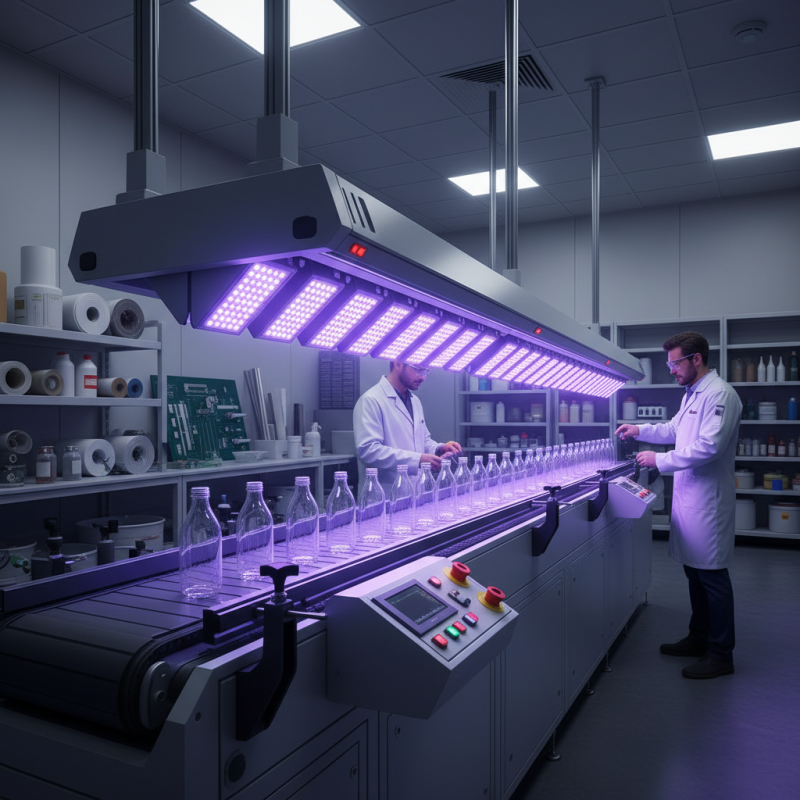
How to Choose the Best Led Uv Curing System for Your Needs?

Understanding LED UV Curing Technology and Its Applications

LED UV curing technology has transformed various industries, including printing, coatings, and adhesives. This technology uses ultraviolet light to cure or dry materials, enabling rapid production processes. According to a report by Smithers Pira, the market for UV curing technology is expected to reach $8.1 billion by 2025, reflecting its growing relevance.

The applications of LED UV curing vary widely. For instance, in commercial printing, it enhances curing speed and reduces energy consumption. This method produces vibrant colors and high gloss finishes without the environmental hazards associated with traditional curing methods. Moreover, studies indicate that LED UV systems consume up to 80% less energy than mercury vapor lamps.

It’s important to note that while LED UV curing offers advantages, the initial investment can be significant, potentially deterring some smaller businesses.

However, not every application benefits equally. Some materials may not cure effectively under LED UV light, leading to potential issues with adhesion and durability. It's essential to perform tests and ensure compatibility before fully committing to this technology. Flexibility in adopting systems is crucial, and understanding material properties will guide the best choices.

Evaluating Different Types of LED UV Curing Systems

When evaluating different types of LED UV curing systems, several factors come into play. Not all LED UV systems offer the same efficiency or performance. A recent industry report indicates that LED UV systems can enhance curing speed by up to 50% compared to traditional mercury-based systems. This speed can significantly impact production timelines, making it crucial to select the right system.

Different applications require varied systems. For example, some LED UV curing systems are designed specifically for printing, while others might cater to coatings or adhesives. The power output, often measured in watts, and the wavelength are key differentiators. Systems operating at specific wavelengths can cure thicker inks or coatings more effectively.

Nevertheless, with advancements come challenges. Users often face the dilemma of balancing upfront costs with long-term savings. While LED systems typically have a higher initial price, they can lead to reduced operational costs over time. However, not every manufacturer provides reliable data to justify these costs. It's vital to assess user feedback and real-world performance metrics before making a decision.

Key Factors to Consider When Choosing an LED UV Curing System

Choosing the right LED UV curing system is essential for achieving optimal results. Consider the wavelength of the light. Different materials require different wavelengths for effective curing. A system with adjustable wavelengths can offer more flexibility, accommodating various applications.

Next, think about the curing speed. Faster curing can enhance productivity but might compromise quality. Balance speed with the desired finish of your project. Users often report challenges in finding the sweet spot between efficiency and precision. It’s crucial to test a few options before settling on one.

Energy efficiency is another important factor. A system that uses less power can save costs in the long run. However, energy-efficient systems may not always offer the same curing speed. This contradiction can lead to unexpected performance issues. In the end, carefully weigh each aspect to find the best LED UV curing system for your specific needs.

Comparison of Key Features in LED UV Curing Systems

Assessing Your Specific Curing Needs and Requirements

Choosing the right LED UV curing system revolves around understanding your specific needs. Assess your materials first. What type do you use? Different materials have unique curing requirements. For instance, plastics may need faster cure times than paper or wood. Consider the thickness as well. Thicker materials often require more power and longer exposure times.

Evaluate your production speed too. A high-speed operation demands efficient curing. What is your output per hour? Knowing this helps in selecting the right unit. Also, factor in your workspace. Is it limited? Compact systems might fit better in tight areas. Pay attention to safety features as well. UV light can be hazardous, so choose systems that prioritize operator protection.

Finally, reflect on your budget. LED UV curing systems vary widely in price. Sometimes, the cheapest option can lead to higher long-term costs. Inconsistent curing leads to rework and waste. Weigh your priorities carefully. Accepting a balance between cost and performance can guide your decision-making.

Comparing Costs and Benefits of Various LED UV Curing Solutions

When selecting an LED UV curing system, it's vital to analyze the costs and benefits of various solutions. According to industry research, LED UV systems can save up to 50% in energy costs compared to traditional UV systems. The initial investment might be higher, but the long-term savings on energy and maintenance can be significant. A recent study indicated that businesses can see a return on investment within 12 to 18 months.

Consider these tips when evaluating your options. Define your specific needs clearly. Whether you focus on curing speed, energy consumption, or maintenance is crucial. The right balance can make a huge difference in efficiency and productivity.

It's also important to weigh the performance aspects. LED UV systems offer excellent curing quality but may struggle with thicker materials. Some reports suggest that while these systems are advancing, certain formulations may not cure as effectively as intended. Analyzing case studies can provide insights into real-world applications and challenges.

How to Choose the Best Led Uv Curing System for Your Needs?

Feature LED UV Curing System A LED UV Curing System B LED UV Curing System C
Initial Cost $1,200 $1,500 $2,000
Wattage 100W 120W 150W
Curing Speed 4 m/min 3 m/min 2 m/min
Lifespan 20,000 hours 15,000 hours 10,000 hours
Power Consumption 200 kWh/year 250 kWh/year 300 kWh/year
Warranty Period 3 years 2 years 1 year

FAQS

: What factors should I consider when choosing an LED UV curing system?

: Consider the wavelength, curing speed, and energy efficiency. Different applications require different specifications.

How can LED UV systems enhance production speed?

LED UV systems can enhance curing speed by up to 50% compared to traditional systems, impacting production timelines greatly.

Are there different LED UV curing systems for various applications?

Yes, some systems are designed for printing, while others cater to coatings or adhesives. Each has specific requirements.

Is a higher initial cost for LED systems worth it?

While LED systems can be pricier upfront, they often lead to reduced operational costs over time. Assess reliability first.

What challenges might arise with faster curing speeds?

Faster curing can enhance productivity but may compromise the quality of the finish. Balance is crucial for optimal results.

Can energy-efficient systems perform as well as faster systems?

Energy-efficient systems may use less power but might lack the same curing speed. This could lead to performance issues.

How important is user feedback when selecting a UV curing system?

User feedback provides insights into real-world performance, helping to justify the higher costs associated with LED systems.

Why is testing different options recommended?

Testing allows users to find the balance between efficiency and precision, helping to choose the best option for specific needs.

What is a common mistake when selecting a curing system?

Rushing to a decision without evaluating performance metrics and user experiences can lead to future regrets.

How do adjustable wavelengths benefit users?

They offer flexibility, allowing compatibility with various materials and improving curing effectiveness across applications.

Conclusion

Choosing the right LED UV curing system requires a comprehensive understanding of the technology and its various applications. LED UV curing systems utilize ultraviolet light to quickly dry and cure inks, coatings, and adhesives. When evaluating different types, it's crucial to consider factors such as the wavelength, intensity, and compatibility with your specific materials. It's also important to assess your particular curing needs, which can vary based on production speed, substrate types, and desired finish.

Moreover, a thoughtful comparison of the costs and benefits of various LED UV curing solutions will help ensure that you select the most efficient and cost-effective system for your operations. By carefully analyzing these elements, you can make an informed decision that meets your requirements and enhances your production capabilities.

Sienna

Sienna

Sienna is a skilled marketing professional with a deep expertise in our company’s core products and services. With a passion for innovation and detail, she plays a pivotal role in crafting insightful blog posts that not only highlight the unique features of our offerings but also provide valuable......