How to Choose the Right IR Paint Drying Systems for Your Needs?

Time:2026-05-05 Author:Oliver
0%

Choosing the right IR paint drying systems can seem overwhelming. Various types are available, each with unique features. Understanding your specific needs is crucial for making the best choice.

Every project has different requirements. Factors like paint type, application method, and drying time must be considered. You might prefer a system that offers rapid drying for high production. In contrast, a gentler approach could suit delicate finishes.

Consider the energy efficiency of your options. Some IR paint drying systems might save costs but may not perform as expected. It’s essential to weigh the pros and cons. Ultimately, the right system enhances productivity while ensuring quality results. Finding this balance can be challenging but rewarding.
How to Choose the Right IR Paint Drying Systems for Your Needs?

Understanding Infrared (IR) Paint Drying Systems and Their Benefits

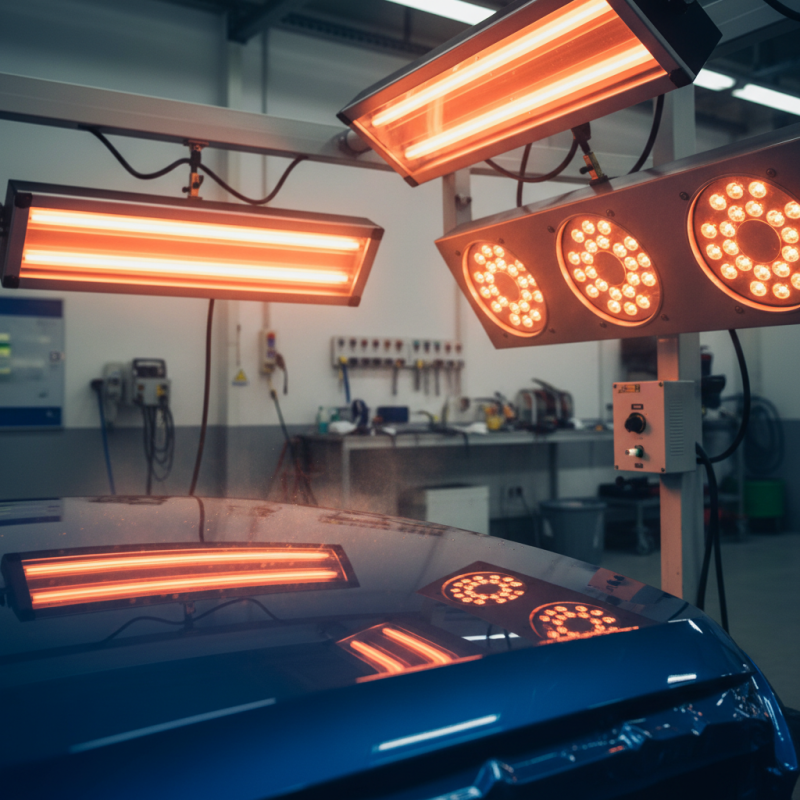
Infrared (IR) paint drying systems have gained traction in various industries. These systems work by emitting infrared radiation, which targets the surface of the painted object. The benefits include quicker drying times and enhanced energy efficiency. A report by MarketsandMarkets suggests that the IR curing market is expected to grow at a CAGR of 8.31% from 2020 to 2025. This growth reflects the increasing demand for energy-efficient solutions.

One noteworthy feature of IR systems is their ability to penetrate the paint layer uniformly. This characteristic helps achieve consistent finish quality across different materials. In production environments, rapid drying can lead to shorter cycle times. However, some industries report challenges when transitioning from traditional systems to IR. Operators may need additional training to optimize settings and avoid issues like uneven drying or surface defects.

Moreover, the initial cost of IR systems can be higher than conventional methods. A careful cost-benefit analysis is essential. Although the efficiency gains are apparent, organizations should assess their specific needs. Too much focus on speed might lead to compromises in quality if not managed properly. Taking the time to understand individual requirements will enhance overall performance in the long run.

Factors to Consider When Selecting an IR Paint Drying System

When selecting an infrared (IR) paint drying system, several critical factors come into play. One of the first considerations is the specific type of paint being used. Different formulations may require varying temperature profiles for optimal drying. According to industry reports, the right IR system can reduce drying time by up to 50%. This reduction significantly improves work efficiency and product throughput in manufacturing settings.

Another essential factor is the size of the workspace. A system that fits well in the available area ensures effective heat distribution. Reports indicate that improper sizing can lead to uneven drying, affecting the final quality of the paint job. Moreover, energy consumption is a fundamental concern. Data suggest that newer IR technologies can cut energy costs by up to 30%, making them a more sustainable option.

Finally, consider the adaptability of the system. As the industry evolves, having a flexible drying system can accommodate new materials and techniques. Some systems may require additional adjustments to achieve the desired results. Thus, evaluating both current and future needs is crucial. Investing in a system that might not fully meet your changing demands can lead to wasted resources. Making informed decisions is vital for achieving the best results in your operations.

How to Choose the Right IR Paint Drying Systems for Your Needs?

Factor Description Considerations
Heating Method Type of infrared heating (short, medium, long wave) Determine the best heating method based on your paint's specifications.
Size of the System Physical dimensions and capability of the drying system Consider your workspace and the size of the objects being painted.
Energy Efficiency How effectively the system uses energy for curing Look for systems that minimize energy use while maximizing output quality.
Drying Time Time required to completely cure the paint Align drying times with production schedules for efficiency.
Cost Initial investment and ongoing operational costs Evaluate your budget and the return on investment over time.
Ease of Use User-friendliness of the system controls and setup Consider training requirements and operator skill levels.
Flexibility Ability to adjust settings for different applications Look for systems that can handle various materials and finishes.

Types of IR Paint Drying Technologies Available in the Market

When selecting an IR paint drying system, understanding the types of technologies available is crucial. Convection drying is among the most common options. It circulates warm air around painted surfaces. This method is simple but may lead to uneven drying. Users must pay attention to airflow to ensure consistency.

Radiant infrared drying is another option. It utilizes infrared lamps to heat paint directly, leading to faster drying times. However, the technology requires careful calibration. Too much heat can cause the paint film to crack. Operators should monitor temperature closely during the process.

Finally, advanced options like hybrid systems combine elements of both. They offer flexibility in drying processes. These systems can adapt to varying production needs. But they can also be complex to set up. Users may need to invest time in training. Selecting the right technology is not always straightforward. Each choice involves trade-offs that require thoughtful consideration.

Evaluating the Cost-Effectiveness of Different IR Drying Systems

Choosing the right IR paint drying system involves careful consideration of cost-effectiveness. IR systems vary in price based on features and technology. Evaluating these factors helps you strike a balance between initial investment and long-term savings.

Tips: Assess your production volume. Higher volumes may justify a more expensive model. Look at energy efficiency ratings. A system that uses less electricity reduces operational costs.

Cost-effectiveness is not just about purchase price. Consider maintenance expenses too. Some systems require more frequent servicing, leading to hidden costs. Review user feedback on reliability. A system may seem inexpensive upfront, but its performance can lead to unexpected expenditures.

Tips: Analyze your workspace. Choose a system that fits your facility dimensions. If space is limited, smaller models may be necessary. Research energy rebates or tax incentives available for energy-efficient purchases. They can offset costs significantly.

Best Practices for Implementing and Maintaining Your IR System

Implementing an infrared (IR) paint drying system requires attention to various best practices for optimal performance. Start by evaluating your workspace. Assess the temperature and humidity levels. Infrared systems work best in controlled environments. Fluctuating conditions can impact drying efficiency. Regularly monitor these factors to ensure consistency.

Maintaining the equipment is just as crucial. Schedule routine inspections to catch potential issues early. Cleaning the IR lamps and reflector surfaces is vital. Dust and dirt can diminish the effectiveness of the system. If you notice any signs of wear or overheating, address them immediately. Neglect can lead to costly repairs or inefficient drying.

Training your staff is equally important. Ensure that everyone understands how the system operates. They should know the best practices for loading and unloading items. Missteps can lead to uneven drying or damage to products. Encouraging feedback can highlight areas for improvement too. Continuous learning helps maintain high-quality standards.

IR Paint Drying Systems Performance Metrics

FAQS

: What is an infrared (IR) paint drying system?

: An IR paint drying system uses infrared radiation to dry paint on various surfaces quickly.

What are the benefits of using IR drying systems?

Benefits include faster drying times and improved energy efficiency, saving both time and resources.

What challenges might arise when switching to IR systems?

Some operators may struggle with training, leading to uneven drying or surface defects during the transition.

How do convection drying and radiant infrared drying differ?

Convection drying uses warm air circulation, while radiant infrared drying heats paint directly, yielding faster results.

Why is regular equipment maintenance important for IR systems?

Routine inspections and cleaning of IR lamps prevent issues, ensuring consistent drying and avoiding costly repairs.

How can workspace conditions affect IR drying systems?

Temperature and humidity fluctuations can reduce drying efficiency; controlled environments help maintain optimal performance.

Are hybrid IR drying systems beneficial?

Yes, they offer flexibility but may require more training and complex setup, which can challenge users.

Should speed be the only consideration when using IR systems?

No, prioritizing speed can compromise quality; balancing speed with quality ensures better results over time.

How can staff training improve IR system performance?

Proper training helps staff understand system operation and best practices, minimizing errors during use.

What is essential to monitor during the drying process?

Temperature should be closely monitored to avoid issues like paint cracking, which can affect finish quality.

Conclusion

IR Paint Drying Systems have become a popular choice in various industries due to their efficiency and effectiveness in speeding up the drying process. Understanding the benefits of these systems is crucial, as they can significantly reduce production time and enhance finish quality. When selecting an IR paint drying system, several factors should be considered, including the specific requirements of the application and the types of technologies available in the market.

Additionally, evaluating the cost-effectiveness of different IR drying systems is essential to ensure a sound investment. Best practices for implementing and maintaining these systems will also play a crucial role in maximizing their benefits, ensuring longevity, and optimizing performance. By carefully assessing these aspects, businesses can make informed decisions that align with their operational needs and enhance overall productivity.

Oliver

Oliver

Oliver is a seasoned marketing professional with a wealth of expertise in driving brand awareness and engagement. With a deep understanding of our company's product offerings, he consistently delivers high-quality content that enriches our professional blog. His insights not only shed light on......