How to Choose the Best Industrial UV Curing Systems?

Time:2026-06-07 Author:Amelia
0%

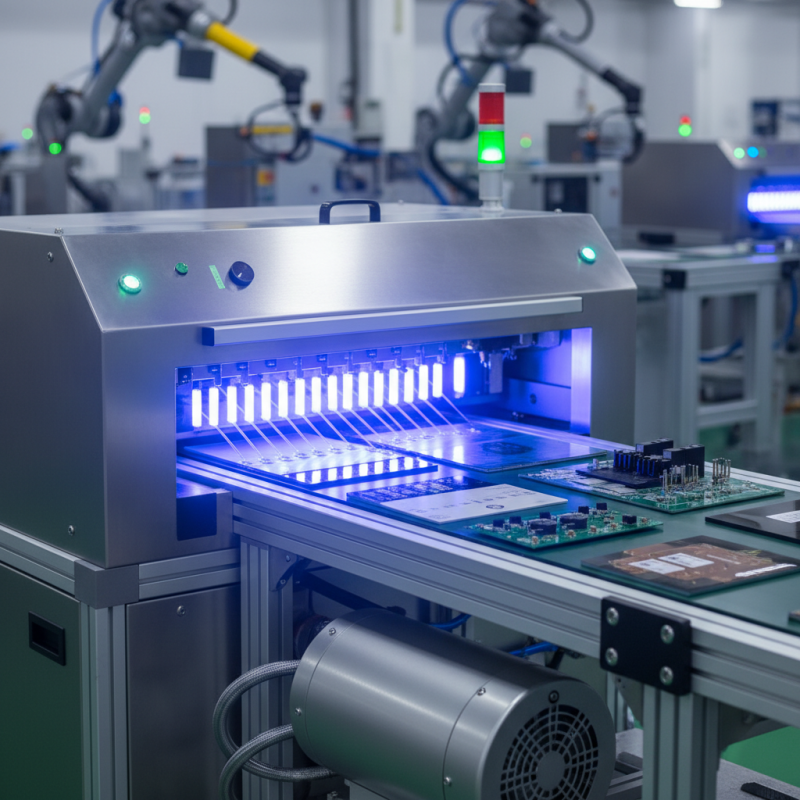
Choosing the right Industrial UV Curing Systems is crucial for production efficiency. These systems use ultraviolet light to cure materials quickly. They improve product quality and reduce manufacturing time.

When selecting a UV curing system, several factors must be considered. The type of materials you'll cure greatly impacts your choice. Compatibility is key. Ensure the system can handle the specific substrates you plan to use. Furthermore, power output and efficiency play significant roles. More power can lead to faster curing times, but energy consumption is also a concern.

The technology within these systems varies. Some offer advanced features like adjustable wavelength settings. These customizable settings can enhance curing effectiveness. However, such features may come at a higher cost. It is important to reflect on your budget and needs. Quality systems can sometimes seem out of reach, but investing wisely pays off.
How to Choose the Best Industrial UV Curing Systems?

Understanding UV Curing Technology and Its Applications

UV curing technology has become essential in various industries, including printing, coatings, and adhesives. This innovation relies on ultraviolet light to trigger photochemical reactions, leading to rapid curing processes. According to a report by MarketsandMarkets, the UV curing market is expected to grow from $3.0 billion in 2020 to $4.7 billion by 2025, driven by demand for faster production and eco-friendly solutions.

When selecting a UV curing system, it's important to consider your specific application. Systems can vary widely in power, wavelength, and intensity. Different applications like inks, coatings, and adhesives require tailored equipment. Not every system fits every need, which can lead to costly errors. Take time to evaluate the materials you use and their photoinitiators, as each can significantly impact the curing process.

Tip: Always run tests before committing to a system. This can help identify any potential issues. Another tip is to stay informed about technological advancements. The UV curing landscape is evolving. Emerging technologies can enhance efficiency and reliability.

Keep in mind that not all UV curing systems are created equal. Researching specifications and consulting with experts can help. Real-world feedback from users can also shed light on system performance, offering useful insights into what works well and what requires improvement.

Key Factors to Consider When Selecting UV Curing Systems

When selecting an industrial UV curing system, several key factors must be considered. The type of substrate is crucial. Different materials react differently to UV light. Understanding the chemistry of your materials can lead to better adhesion and curing. For instance, plastics may require different settings compared to metals or wood surfaces.

Another important element is the lamp intensity. Higher intensity can speed up the curing process but may also lead to overheating. It's essential to balance these factors to avoid damaging sensitive substrates. The system's energy efficiency should also be evaluated. Lower energy consumption can reduce operational costs, but not at the expense of performance.

Consider the system's compatibility with existing production lines. A seamless integration can minimize downtimes and increase productivity. Additionally, maintenance requirements should not be overlooked. Systems that demand frequent, complicated upkeep may disrupt operations. Assessing the long-term reliability of the UV curing system can lead to more informed, effective decisions.

Types of UV Curing Systems: Comparing Options

When considering UV curing systems, it’s essential to explore various types available on the market. Two main categories stand out: mercury vapor lamps and LED systems. Mercury lamps provide strong light intensity and high throughput. However, they often require longer warm-up times. This can lead to operational delays, especially in fast-paced environments.

On the other hand, LED systems are gaining popularity due to their energy efficiency and longer lifespan. They emit less heat, which can prevent damage to sensitive substrates. However, the initial investment is higher, and not all materials can be cured effectively with LEDs. It's important to evaluate the specific needs of your production line before deciding.

Comparing the two types reveals a balance of benefits and limitations. Mercury lamps excel in high-volume applications, while LEDs offer flexibility and lower energy costs. Each system has nuances that can impact performance. An in-depth understanding of these differences can guide better decision-making in your UV curing system selection.

Evaluating Energy Efficiency and Cost-Effectiveness

When selecting an industrial UV curing system, energy efficiency is vital. Many systems consume excessive power, leading to inflated operational costs. Evaluating the energy consumption figures can unveil significant savings. A system that minimizes energy use can enhance your budget while also reducing environmental impact.


Cost-effectiveness is equally important. Initial investments can be high, but consider the long-term savings. A cheaper system may falter in reliability, leading to increased maintenance costs. Assess the total cost of ownership, not just the purchase price. Sometimes, investing more upfront pays off in reduced operating expenses and fewer breakdowns.


It's crucial to involve experts during the selection process. They bring experience and knowledge to the table. Look for systems that have positive reviews from users. Engaging with other businesses that have successfully implemented UV curing systems can provide insights. These reflections can lead to better decision-making and a more effective outcome.

Maintenance and Support Considerations for UV Curing Systems

When considering UV curing systems, maintenance and support are crucial factors. Regular maintenance can prolong the life of these systems. Data from industry reports suggest that proper upkeep can reduce downtime by up to 30%. This has direct financial implications, as unplanned outages can lead to significant project delays.

It's important to understand common issues that arise with UV curing systems. One often overlooked aspect is lamp longevity. Reports indicate that UV lamps should be replaced every 1,000 hours for optimal performance. Not replacing them in time can lead to inconsistent curing results. Operators should have a system in place to track usage and lamp status.

Training personnel is vital as well. Improper handling during maintenance can damage equipment. A study shows that nearly 40% of users encounter issues due to inadequate training. Investing in continuous training can enhance safety and efficiency. A well-rounded support strategy encompasses not just technical maintenance but also operator education. This creates a more reliable workflow and optimizes production output.

Performance Comparison of UV Curing Systems

This chart illustrates the curing speed for various UV curing systems, emphasizing the importance of selecting a system that meets required performance standards for effective industrial applications.

FAQS

: What is UV curing technology?

: UV curing technology uses ultraviolet light to initiate photochemical reactions, leading to fast curing processes.

Why is UV curing technology important in industries?

It allows for faster production speeds and provides eco-friendly solutions, improving efficiency in printing and coatings.

How can I choose the right UV curing system?

Assess application needs, substrate types, and required intensities. Each system is tailored to specific uses.

What should I consider regarding lamp intensity?

Higher intensities can accelerate curing but may overheat sensitive materials. Find a balance to avoid damage.

Is testing necessary before selecting a UV curing system?

Yes, running tests can reveal potential problems and help in making informed decisions about equipment compatibility.

What are common types of UV curing systems?

The main types are mercury vapor lamps and LED systems, each with distinct advantages and limitations.

How do mercury lamps differ from LED systems?

Mercury lamps offer high intensity but require longer warm-up times. LEDs are energy-efficient but can have higher initial costs.

Can all materials be cured with LED systems?

No, not all materials react well to LED curing. Evaluating specific production needs is essential before deciding.

What is a key factor when selecting a system for different substrates?

Understanding the chemistry of materials is crucial for optimal adhesion and curing processes.

What maintenance considerations are important?

Choose systems with manageable maintenance requirements to avoid disruptions in production efficiency.

Conclusion

Choosing the best industrial UV curing systems involves a comprehensive understanding of the underlying technology and its diverse applications. It is essential to consider key factors such as the specific requirements of your operations, compatibility with existing processes, and the application materials. Additionally, evaluating the different types of UV curing systems is crucial, as this comparison can reveal options that meet both efficiency and effectiveness standards.

Energy efficiency and cost-effectiveness play a significant role in the selection process, as these aspects can significantly impact long-term operational costs. Finally, maintenance and support considerations are vital for ensuring optimal performance and longevity of your UV curing systems. By taking these factors into account, businesses can make informed decisions that enhance productivity and product quality in their industrial applications.

Amelia

Amelia

Amelia is a seasoned marketing professional with a wealth of expertise in our company’s core offerings. With an unwavering passion for driving growth and innovation, she plays a pivotal role in shaping our marketing strategies and enhancing brand visibility. A key aspect of her responsibilities......