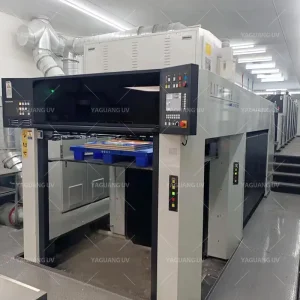
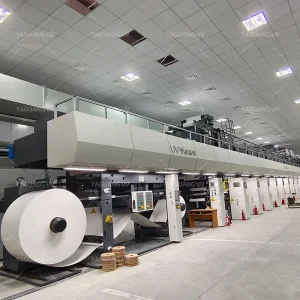
Explore our leading selection of engineered curing modules designed for seamless integration with high-speed offset, flexo, gravure, and industrial coating lines.
In modern manufacturing, industrial curing is no longer just a finishing step—it is a critical determinant of throughput, energy economy, compliance, and final product quality. From packaging and automotive components to electronics and high-speed publishing, the demand for fast, controllable, and environmentally stable curing systems is accelerating globally. Over the past decade, the transition from conventional thermal drying processes to highly efficient ultraviolet (UV), light-emitting diode (LED UV), and infrared (IR) technologies has altered production dynamics.
The introduction of stricter ecological regulations worldwide has spurred the demand for energy-efficient hardware. Mercury vapor lamp curing systems, long recognized as the workhorse of the printing sector, are increasingly being optimized or complemented by solid-state LED UV curing units. This shift is driven by the mandate to eliminate volatile organic compounds (VOCs) and minimize carbon footprints. Furthermore, compliance benchmarks such as CE Certification ensure that these thermal and radiation-based systems meet stringent European Union health, safety, and environmental protection directives.
Modern UV LED architectures cut power draw by up to 50% compared to traditional mercury arc installations. The instant on/off capability eliminates long warm-up delays and idle power drain.
CE certification mandates fail-safe mechanisms, including comprehensive light-shielding designs and exhaust handling to mitigate ozone hazards associated with standard mercury systems.
LED UV emits minimal infrared thermal energy, enabling rapid curing on heat-sensitive materials like thin polymer films, shrink sleeves, and delicate metal foils without deformation.
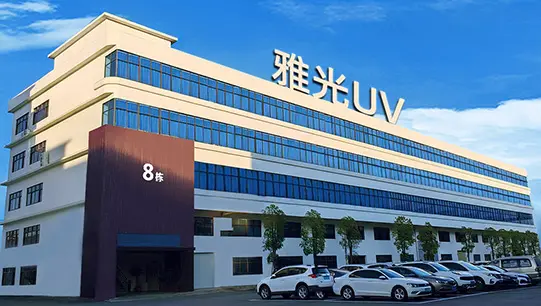
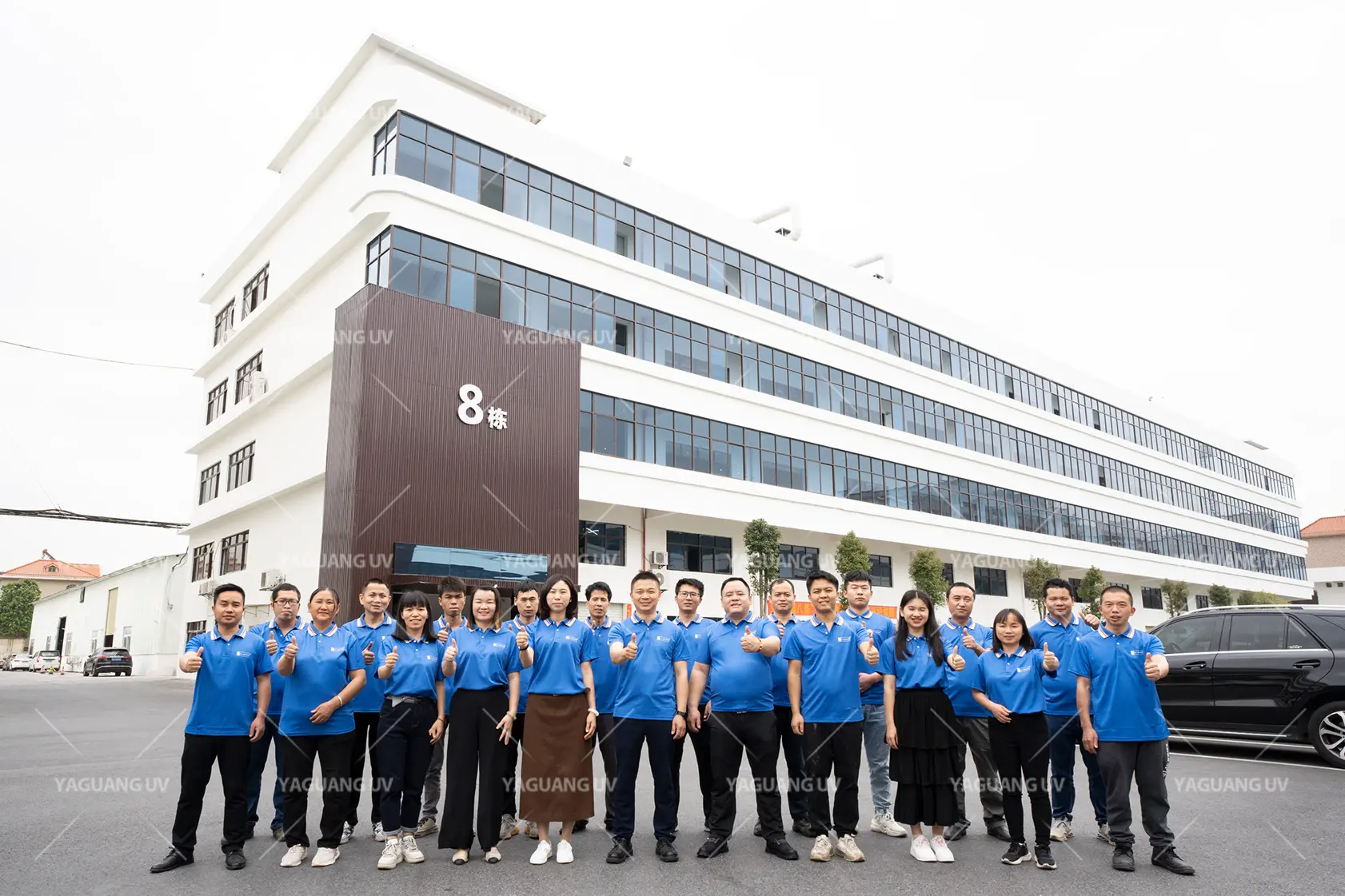
Established in 2006, Dongguan Yaguang Machinery Co., Ltd. is a National High-tech Enterprise headquartered in Dongguan, a globally recognized manufacturing hub in China. Integrating research and development, manufacturing, global sales, and engineering services, Yaguang has spent nearly two decades positioning itself at the leading edge of radiative polymer curing technology.
The company specializes in design integration for offset printing, flexographic printing, gravure printing, sheet-fed metal printing, and rotary packaging machines. By partnering with leading global hardware developers and material science research teams, Yaguang delivers systems characterized by extreme thermal dissipation, precise optical path designs, and robust, field-tested dependability.
Our core mission is to bridge the gap between energy-intensive traditional processing and high-speed, green-tech alternatives. Every system designed in our state-of-the-art facility undergoes comprehensive vibration, safety, spectral distribution, and thermal imaging tests to secure international compliance, including the critical CE certification.
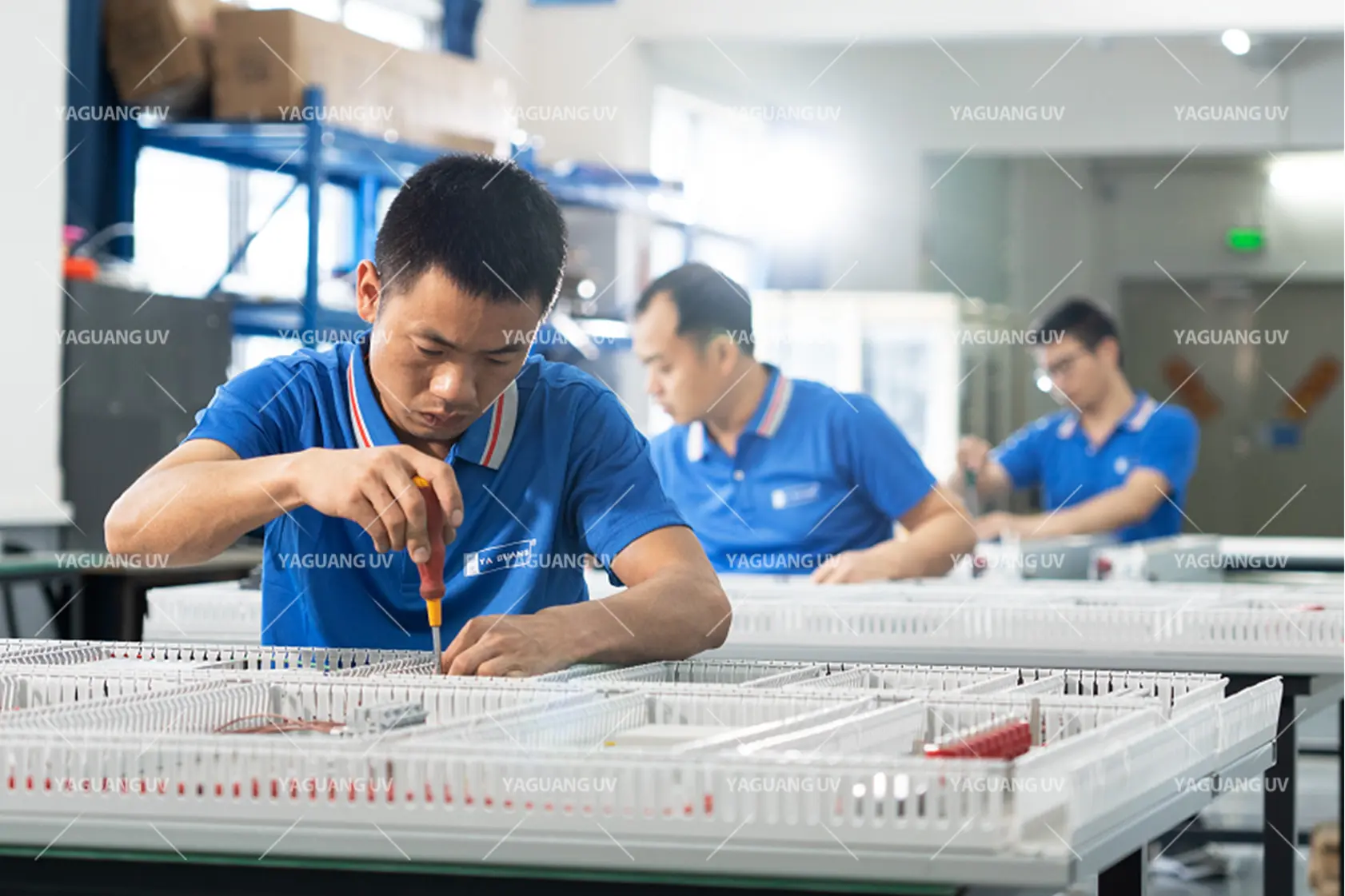
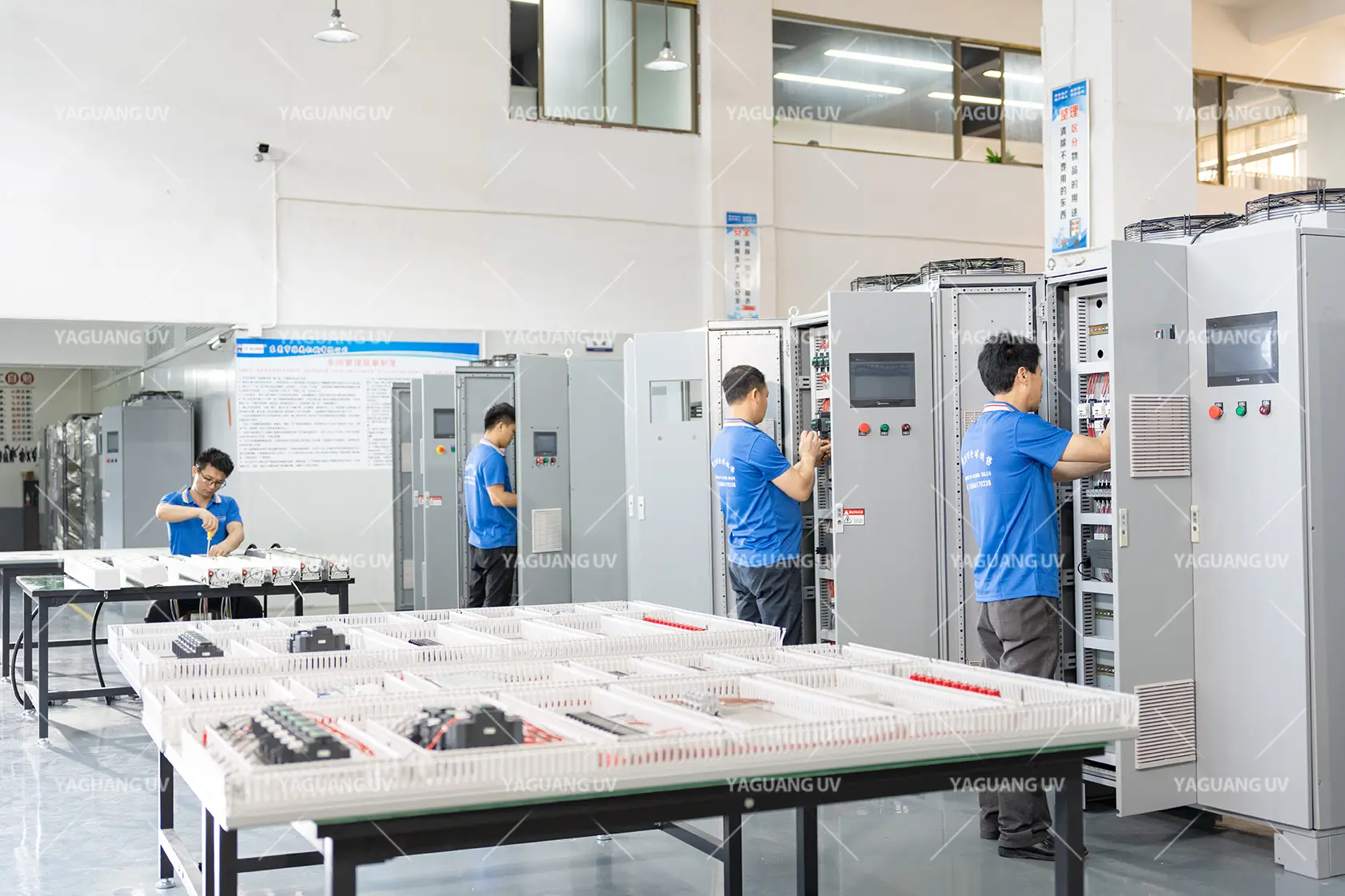
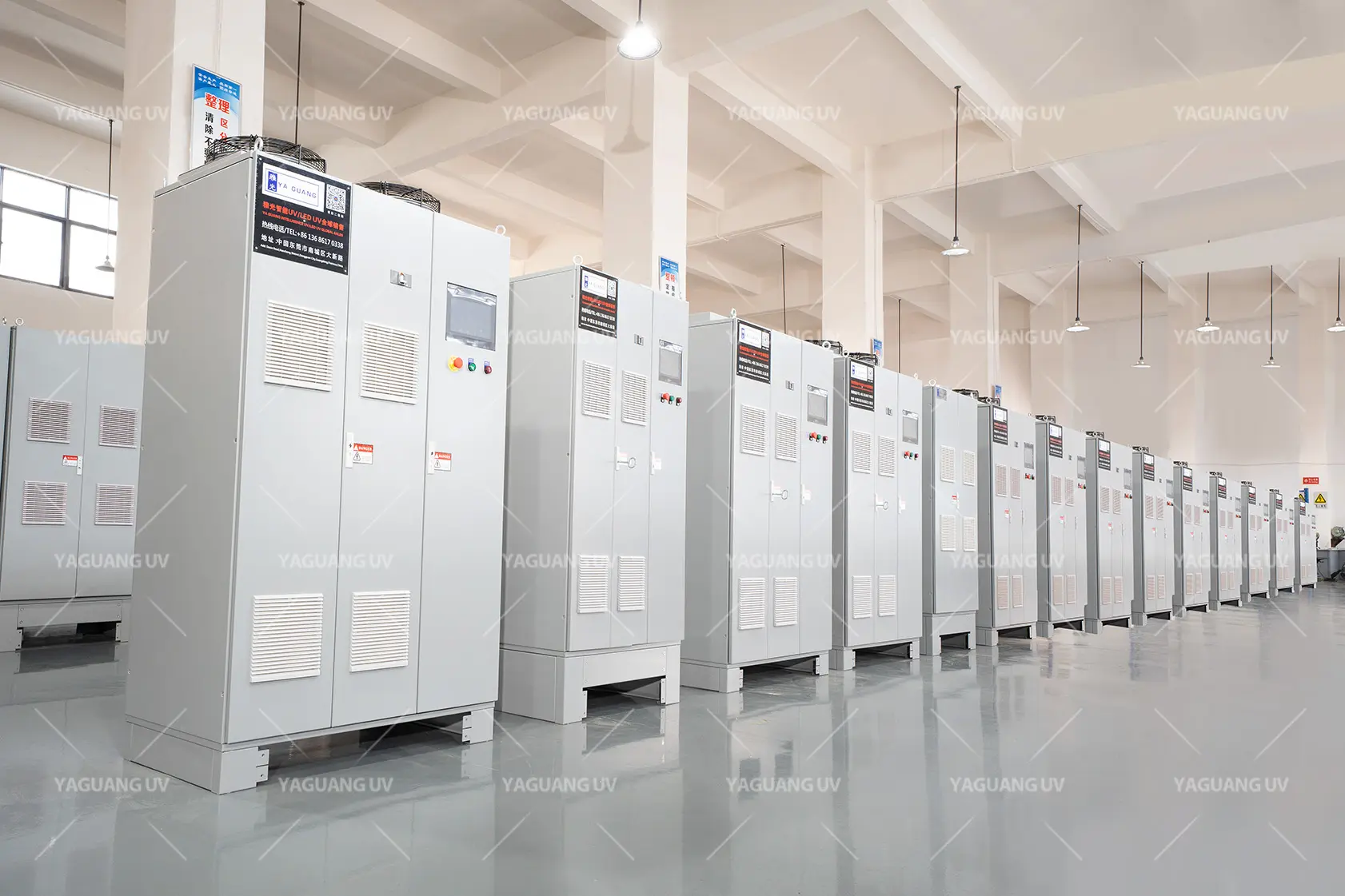
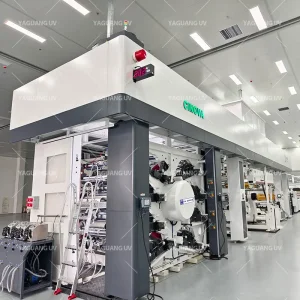
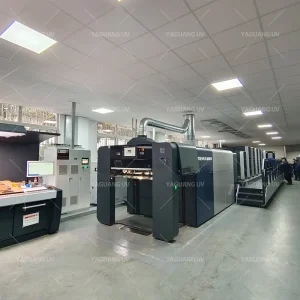
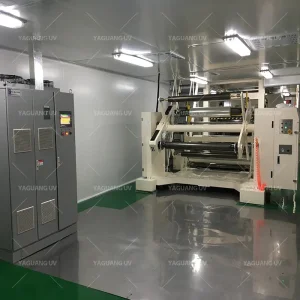
Inside Yaguang's modern production facility: Engineered assembly line, precise testing chambers, and global standard QC bays.
Industrial curing needs vary widely depending on the substrate type, line speed, ink characteristics, and processing environments. An inappropriate curing strategy can lead to ink crystallization, adhesion failures, substrate distortion, or excessive power draws. Below, we break down how Yaguang's specialized systems target these specific operational variables.
Commercial offset and flexographic printing run at extreme linear speeds (often exceeding 300 meters per minute). Curing systems must deliver uniform UV output across the entire width of the web. Yaguang’s customized UV LED modules utilize water-cooled micro-channel chillers to maintain optimal junction temperatures, ensuring stable irradiance and preventing color shifting.
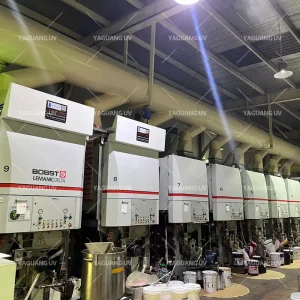
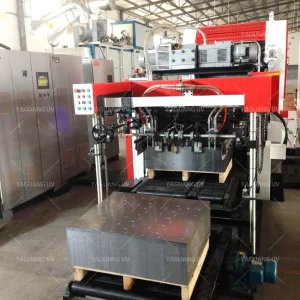
Metal sheet printing (for tinplate containers, aerosol cans, and closures) requires deep cure penetration through high-viscosity pigmented inks. Yaguang designs specialized multi-lamp mercury systems and high-power LED systems tailored to the heavy mechanical frameworks of Fuji, Ruiyuan, and Queley printers.
Gravure printing on plastic packaging and continuous industrial coatings require uniform drying across large spans. For applications involving water-based varnishes or high-solids base coatings, a combination of IR (Infrared) drying systems and UV curing systems provides the optimal solution, accelerating water/solvent evaporation before initiating photopolymerization.
For global enterprise buyers, purchasing industrial curing systems involves managing complex regulatory risks. Within the European Economic Area (EEA) and other international markets, a CE mark is not a marketing label—it is a legal passport. A CE-certified curing system proves compliance with three main directives:
1. Machinery Directive (2006/42/EC): Ensures that all mechanical components, emergency stops, light shielding, and interlocks protect operators from high-voltage sections and dangerous UV-light exposure.
2. Low Voltage Directive (2014/35/EU): Crucial for curing installations that operate at high power levels (mercury systems frequently utilize transformers running at several thousand volts). This directive guarantees robust electrical insulation, grounding, and arc mitigation.
3. EMC Directive (2014/30/EU): Industrial curing lamps, especially high-frequency LED drivers, can generate substantial electromagnetic interference. CE compliance verifies that the system does not disrupt neighboring digital controls, PLCs, or network infrastructure.
By investing in Yaguang's CE-certified machinery and components, manufacturing plants reduce compliance liability, prevent insurance disputes, and guarantee a safer working environment for their technicians.
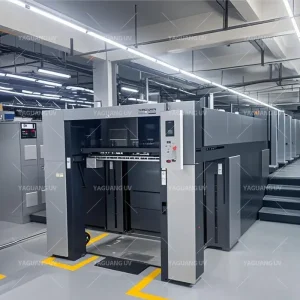
Looking to retrofit an existing Heidelberg, Komori, Roland, or KBA press? Or developing an original machinery chassis that requires integrated high-power UV-LED arrays? Our dedicated application engineers are ready to design, simulate, and manufacture your custom curing solution.
As industrial processes progress toward Industry 4.0 paradigms, curing technologies are integrating smart diagnostic and monitoring tools. The roadmap below outlines the key technological shifts driving our product development over the coming years:
Traditional curing relied on broad-spectrum mercury outputs. The future belongs to narrow-band multi-wavelength LED arrays (e.g., combining 365nm for surface cure and 395nm for deep cure) on a single high-density chip-on-board (COB) substrate.
Yaguang is integrating smart thermal sensors and real-time irradiance monitors directly into the curing modules. This allows operators to track degradation, plan preventative maintenance, and prevent web-run disruptions.
As power demands rise, standard air-cooling systems reach their limits. Advanced micro-channel liquid-to-air cooling ensures heat extraction from high-density LED arrays, extending chip lifetimes past 20,000 operational hours.
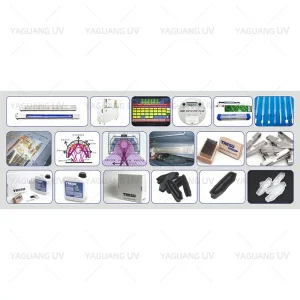
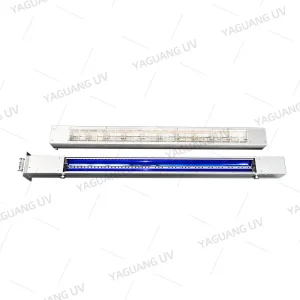
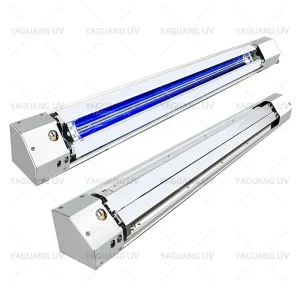
Engineered components and drying arrays optimized for deep curing, high electrical efficiency, and strict compliance profiles.
 Yaguang Machinery