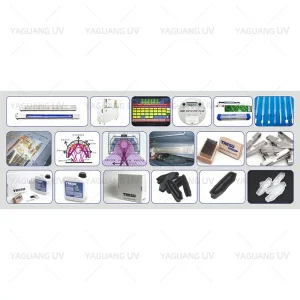
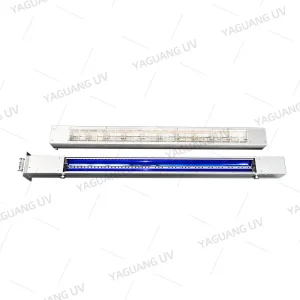
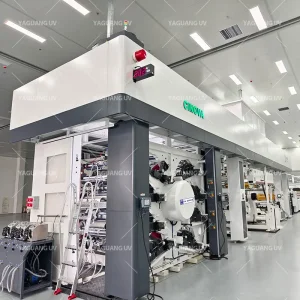
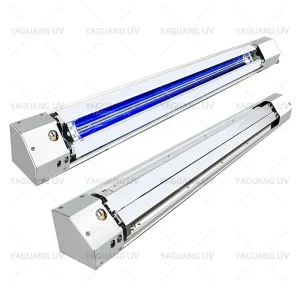
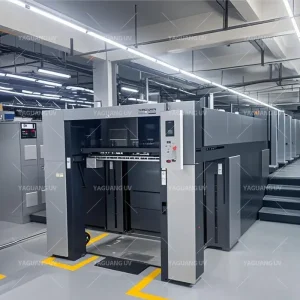
Explore our leading product lineup combining advanced curing mechanics with optical feedback detection technology.
Deep-dive whitepaper analyzing the critical role of photoelectric and optical sensor arrays in modern automated manufacturing.
In modern industrial applications, UV curing and infrared drying cannot operate reliably as closed blind processes. Real-time calibration, spectral irradiance profiling, and non-contact temperature measurements require top-tier optical sensors to communicate with the central logic units (PLC). Photosensors monitor ultraviolet radiation levels at specific wavelengths (typically UV-A, UV-B, UV-C, and UV-V) to ensure cross-linking density meets rigorous engineering standards. A degradation in UV intensity, often caused by aging lamps or dirty quartz sleeves, is instantly registered by these sensors to trigger auto-adjusting power loops or warning alerts, avoiding costly production recalls.
The industrial landscape is moving rapidly toward miniaturized, multi-spectral optoelectronic sensors that integrate seamlessly with Smart Factory (IoT) controllers. Let's analyze the primary technologies dominating the market today:
These sensors convert optical signal intensity into measurable electrical currents. Widely used in offset and flexographic printing to read control strips and monitor raw UV/LED output. They guarantee exact exposure and prevent incomplete curing defects.
For harsh high-temperature zones inside industrial dryers, fiber optic lines transmit raw optical signals to remote, insulated sensor modules. This ensures stable detection metrics under severe conditions exceeding 150°C.
Positioned at sheet input gates, these sensors detect substrate arrival within microseconds, syncing high-energy LED UV lamps to fire only when sheets are directly underneath, minimizing energy wastage.
Validating precision, structural capability, and supply chains on a worldwide scale.
Modern procurement executives do not just buy equipment; they source robust partners capable of mitigating supply chain risks. When integrating systems like UV curing machines, IR drying lines, and optical tracking sensors, global buyers prioritize three core vectors:
Whether servicing retrofitted Heidelberg presses in North America or installing high-volume gravure printing systems in Germany, the interoperability of precision optics determines the overall equipment effectiveness (OEE).
How Dongguan Yaguang Machinery leverages state-of-the-art Chinese manufacturing ecosystems to offer world-class reliability.
Established in 2006 in Dongguan, the undisputed capital of manufacturing technology, Dongguan Yaguang Machinery Co., Ltd. has spent nearly two decades refining industrial thermal processing and curing solutions. Combining internal R&D with local component supply chains allows us to quickly integrate top-tier optoelectronic sensors into bespoke machines, passing cost and time savings directly to our buyers.
Our engineering division customizes solutions for various printing platforms (offset, flexographic, gravure, sheet-fed metal, rotary) ensuring each system meets stringent CE directives.
Global supply chain continuity demands robust support. Yaguang operates dedicated regional service divisions in key Chinese industrial hubs (Shanghai, Tianjin, Zhejiang) in tandem with global distribution channels. We maintain continuous stocks of critical optical components, quartz shields, and custom LED modules to ensure your production remains online with minimal downtime.
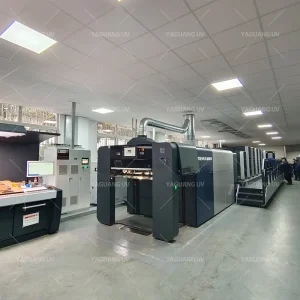
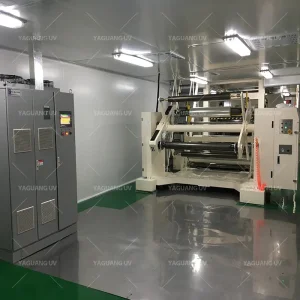
Inside our engineering production facility in Dongguan.
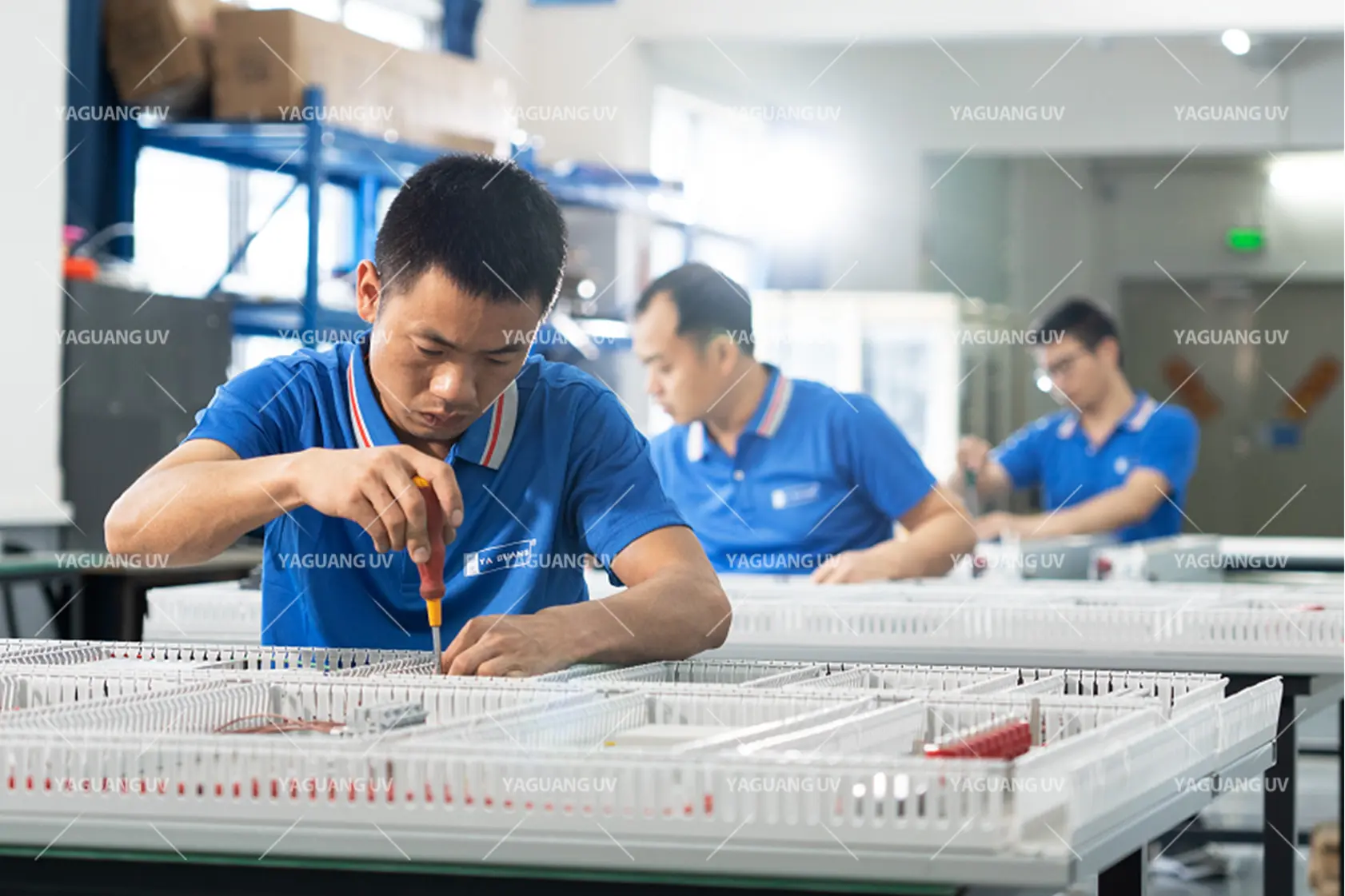
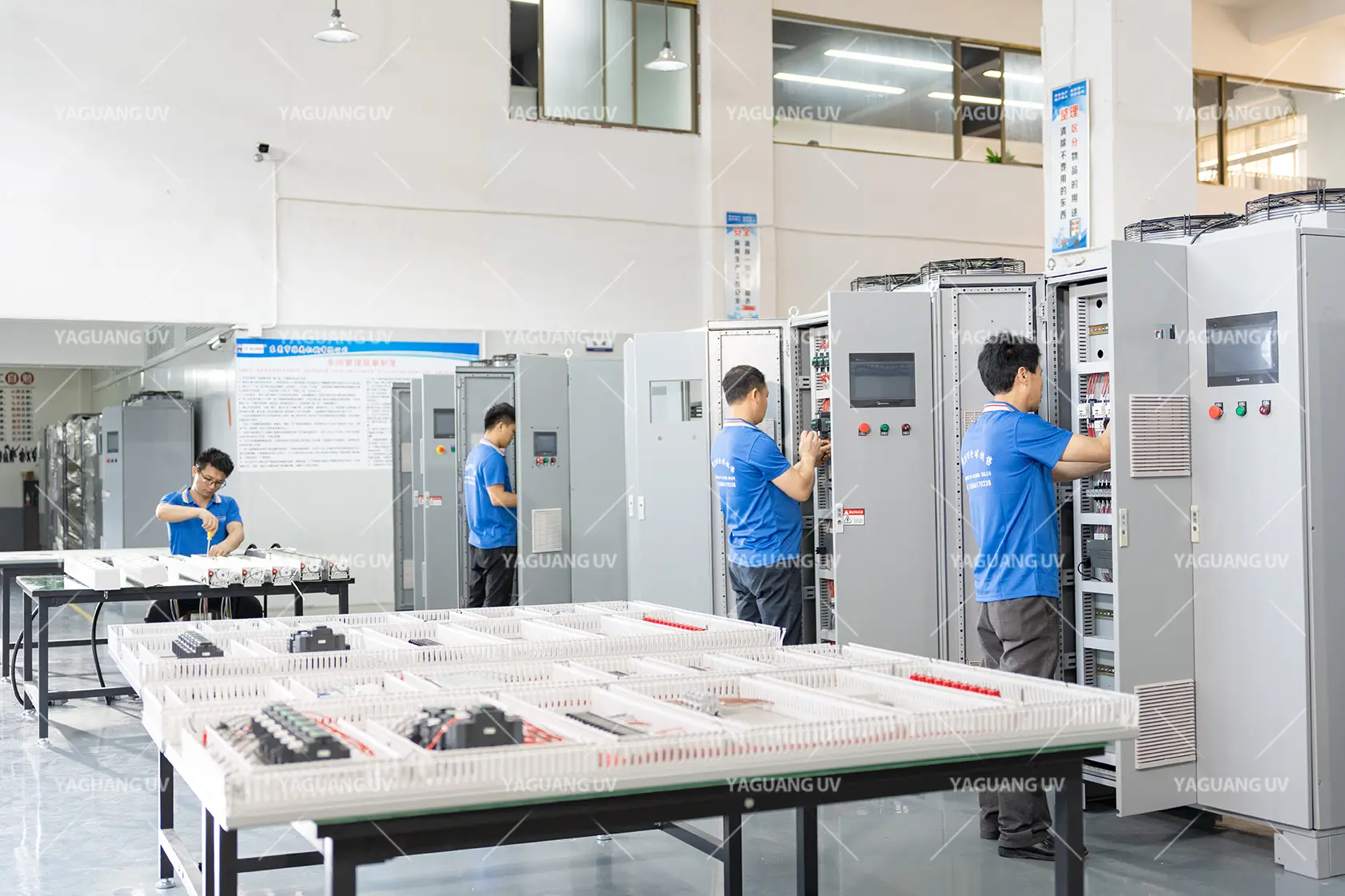
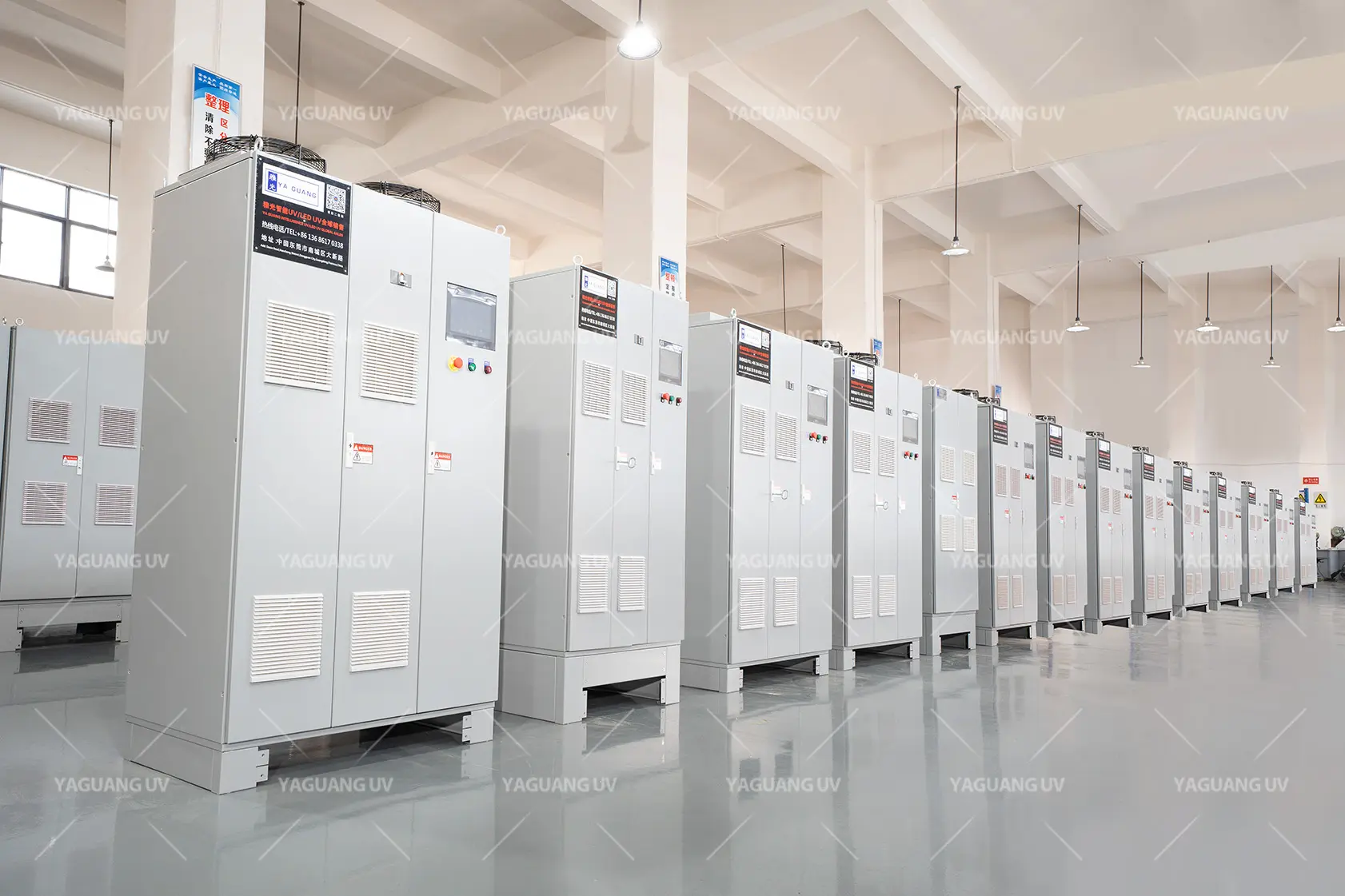
Yaguang's engineering team consists of highly experienced professionals with over 10 years of expertise in UV system development, debugging, and maintenance. They excel in adapting UV systems to various printing machinery models and offer professional guidance on UV printing processes and troubleshooting. Over nearly two decades of rapid development, the company has obtained multiple patents and CE certification, solidifying its position as a leader in China's UV curing industry.
For the past 20 years, Yaguang has always adhered to the core values of "customer first, quality first, continuous improvement, and sustainable operation", committed to creating maximum value for customers. We have won unanimous recognition from domestic and foreign customers.
Analyzing how different production environments utilize optical sensors alongside UV/IR systems.
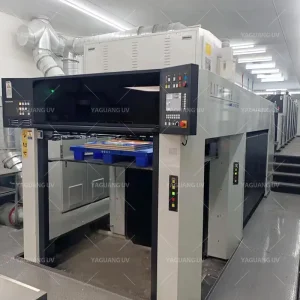
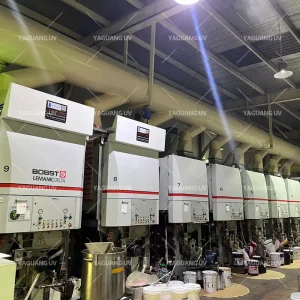
Compatible with global brands like Heidelberg, KBA, Roland, Komori, Mitsubishi, and Ryobi. Highly sensitive photoelectric detection ensures UV/LED curing modules fire with microsecond precision, protecting paper sheets from heat deformation during high-speed runs.
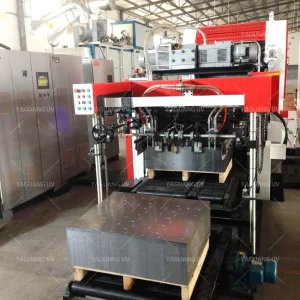
Working alongside Fuji, Queley, and Ruiyuan metal printing systems. Laser displacement sensors calibrate distance variations of heavy metal tin plates, ensuring uniform surface energy distribution and complete adhesion across non-porous surfaces.
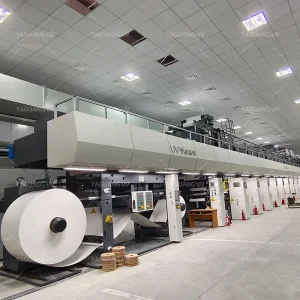
High-speed roll-to-roll operations utilize color-mark optical sensors to track continuous web motion. Curing energy is modulated dynamically based on real-time speeds, protecting sensitive thin plastic films from melting.
Get professional, authoritative answers regarding engineering specifications, troubleshooting, and procurement.
Optical sensors, specifically photoelectric proximity switches and rotary encoders, track the physical presence and velocity of substrates. If a break in the sheet feeding occurs, the sensor instantly sends a signal to the PLC control unit, triggering standby mode on the LED arrays (dropping power to 5-10%). This prevents waste heating and drops energy consumption instantly, which is highly beneficial compared to mercury arc lamps that require continuous burning.
Industrial UV sensors monitor standard spectral bands: UV-A (315–400 nm) for depth curing, UV-B (280–315 nm) for structural curing, and UV-C (100–280 nm) for surface cross-linking. Modern LED curing systems primarily emit at 365nm and 395nm, requiring specialized narrow-band silicon photodiodes tailored specifically for those ranges.
Yes. Our retrofitted solutions are fully compatible with industry-leading machinery brands, including Heidelberg, Komori, Roland, KBA, Mitsubishi, and Ryobi. Our engineers design bespoke adapter plates and integrate custom sensor communication loops to tie seamlessly into the press's native safety and operating controls.
Thanks to advanced thermal management and robust chip-on-board (COB) architecture, our LED UV systems offer an operational lifespan exceeding 20,000 to 30,000 hours. This is significantly higher than traditional mercury lamps, which generally require replacement after 1,000 to 1,500 hours of run time.
Explore our complete catalog of industrial UV systems, components, and flexographic curing machinery.
Get custom configuration blueprints and dynamic quote layouts tailored by our engineering team in China.
Contact Us Today Yaguang Machinery