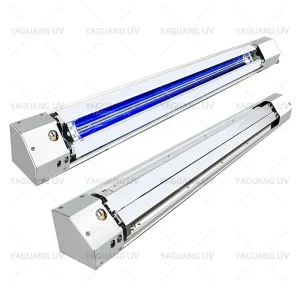
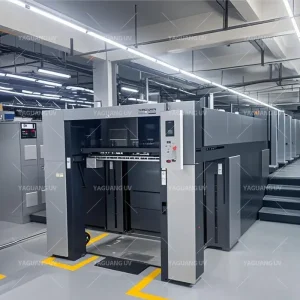
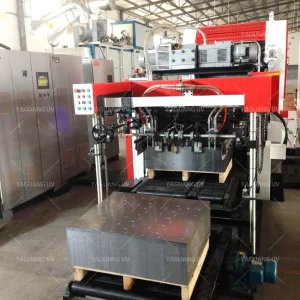
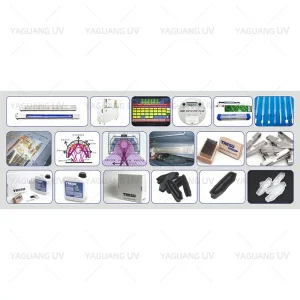
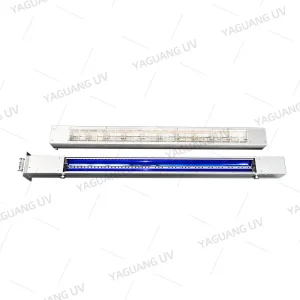
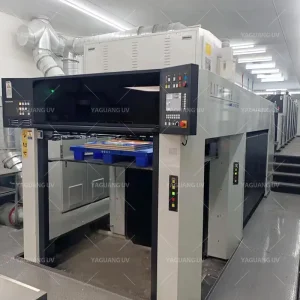
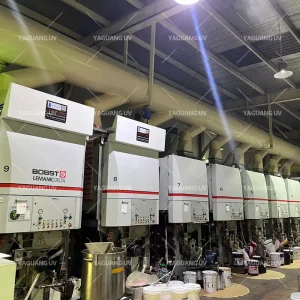
Engineered to work seamlessly with advanced photopolymer resins and industrial drying applications
Photopolymer resins represent a significant technological leap in industrial printing, coating, and additive manufacturing. These light-reactive materials transition from a liquid monomeric or oligomeric state into a highly cross-linked solid polymer matrix when exposed to specific wavelengths of light—predominantly ultraviolet (UV) or visible spectrum illumination. The chemistry depends heavily on photoinitiators, which absorb radiant energy, generate reactive radicals or cations, and initiate the polymerization process.
In high-speed production environments such as offset, flexographic, gravure, and metal sheet printing, the curing rate of photopolymer resins must match the mechanical velocity of modern printing presses. This synergy requires deep integration between the resin's chemical formulation and the curing machinery's optical output, emphasizing peak irradiance, spectral distribution, and thermal control to prevent thermal degradation of the substrates.
Ensuring regulatory compliance, workplace safety, and consistent quality metrics in global trade
For European markets and global distributors, the CE mark confirms that industrial photopolymer systems and resin formulations satisfy EU safety, health, and environmental protection requirements (such as REACH and RoHS directives).
CE-certified machinery mitigates risks associated with ozone production, electrical safety, thermal overload, and stray UV radiation exposure. This guarantees a safe operating environment for technicians on the press room floor.
CE compliance requires manufacturers to implement strict Quality Management Systems (QMS). For photopolymer resins, this ensures batch-to-batch consistency in viscosity, curing speed, and post-cure physical properties.
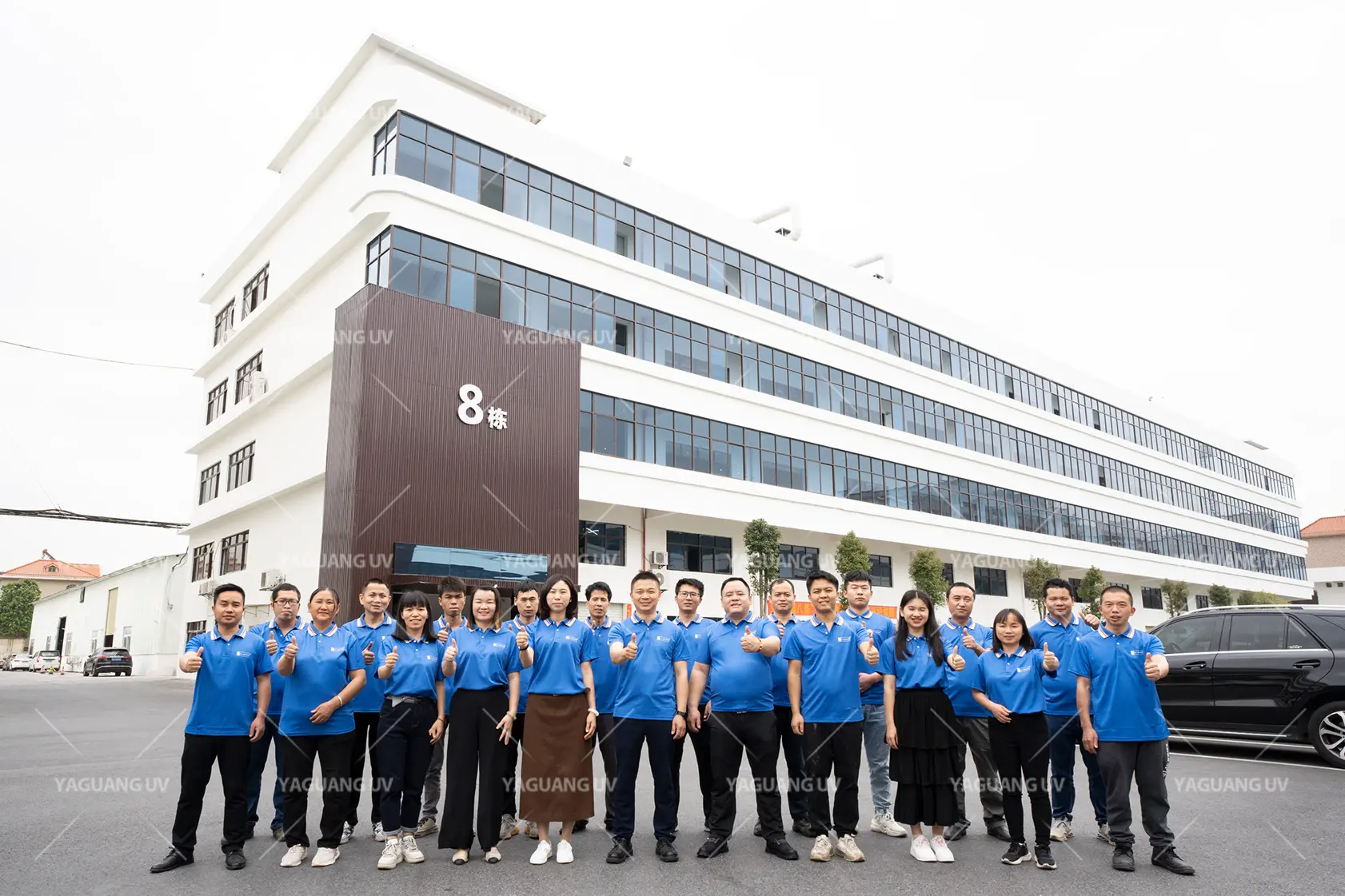
China's manufacturing landscape, particularly in hubs like Dongguan, offers unmatched ecosystem synergy. As a leading manufacturer and exporter of UV systems and related materials, Chinese factories provide distinct advantages:
Vertical Integration: Factories like Dongguan Yaguang Machinery Co., Ltd. integrate research, development, production, and after-sales service. We formulate or calibrate the photopolymer curing parameters in tandem with the mechanical machinery designs. This dual-expertise minimizes operational incompatibilities between the light engine and the chemical substrate.
Economies of Scale: Access to regional chemical processing zones and advanced electronic manufacturing allows Chinese suppliers to source high-grade UV LEDs, optical lenses, and heat management components cost-effectively without compromising quality.
Customization Speed: Rapid prototyping capabilities enable engineers to design custom UV lamp heads, nitrogen inerting systems, and customized power units to meet the unique parameters of offset, flexo, and sheet-fed metal printers.
Integrated designs targeting maximum efficiency and optimal mechanical properties
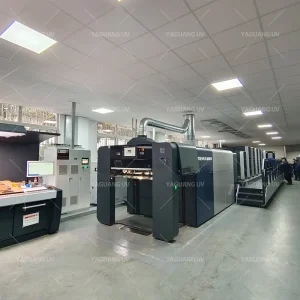
For high-speed offset printing presses (Heidelberg, KBA, Komori, Roland, Ryobi), the curing system must provide high-peak UV output to cure thick inks instantly, preventing ink-migration and allowing immediate processing.
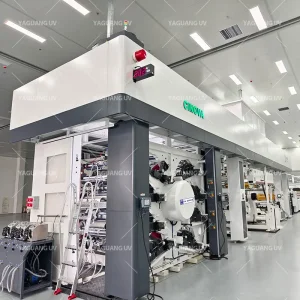
In flexography, matching the cure of photopolymer resins to heat-sensitive flexible film substrates is crucial. Cool LED UV curing prevents web distortion and ensures excellent adhesion on various plastics.
Sheet-fed metal printing (Fuji, Queley, Ruiyuan) demands exceptional cross-linking density. Curing systems must deliver deep penetration of light into the ink layers to guarantee long-term adhesion on non-porous metals.
Several macroeconomic and environmental forces are reshaping the global photopolymer resin and UV curing sector:
1. Transition to LED UV Curing: The printing industry is actively phasing out conventional mercury arc lamps. LED UV light sources provide single-wavelength energy (usually 385nm or 395nm), which matches modern photoinitiators. This technology cuts electricity consumption by up to 75% and eliminates ozone generation, facilitating green factory compliance.
2. Low-Migration Chemical Formulations: Regulatory bodies in Europe and North America have strict requirements for food-contact packaging. Developing low-migration resins—which utilize higher molecular weight oligomers and polymeric photoinitiators to prevent unreacted monomers from passing through the substrate—is a key priority for modern ink and coating manufacturers.
3. High-Throughput Automation Integration: Dynamic curing systems now interface directly with printing machine controls via PLC and industrial networks (Modbus, Profinet). This setup allows real-time adjustments of UV power based on the actual speed of the printing press, minimizing wasted energy and preventing substrate scorching during line stops.
Global sourcing departments looking to import photopolymer resins and industrial curing hardware should check the following performance criteria:
Our Factory Capabilities & Technical Expertise
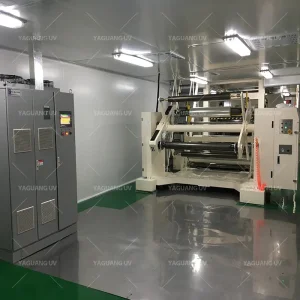
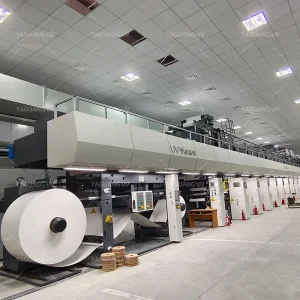
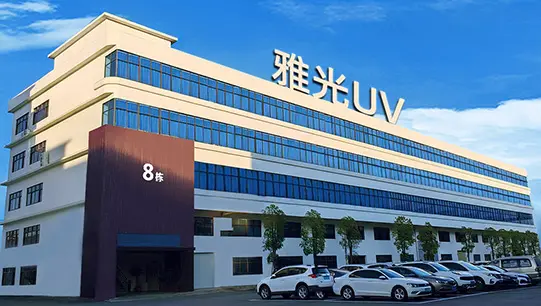
Dongguan Yaguang Machinery Co., Ltd. is a National High-tech Enterprise established in 2006 and headquartered in Dongguan, a renowned manufacturing hub in China. Specializing in UV curing technology, the company integrates R&D, production, sales, and service to provide advanced UV curing solutions. Our UV curing systems are widely applied in offset printing, flexographic printing, gravure printing, sheet-fed metal printing, and rotary printing machines, among other industrial applications.
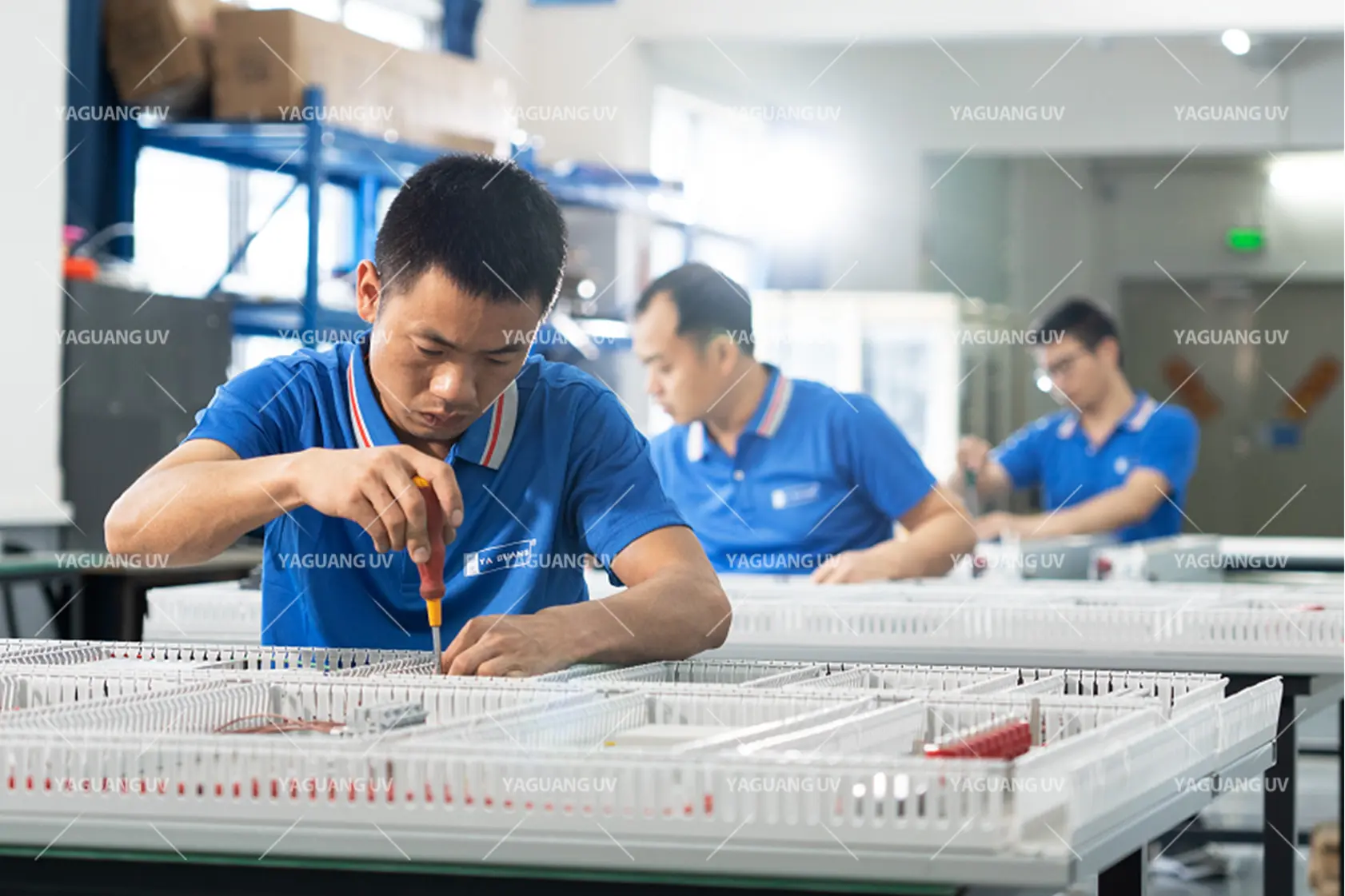
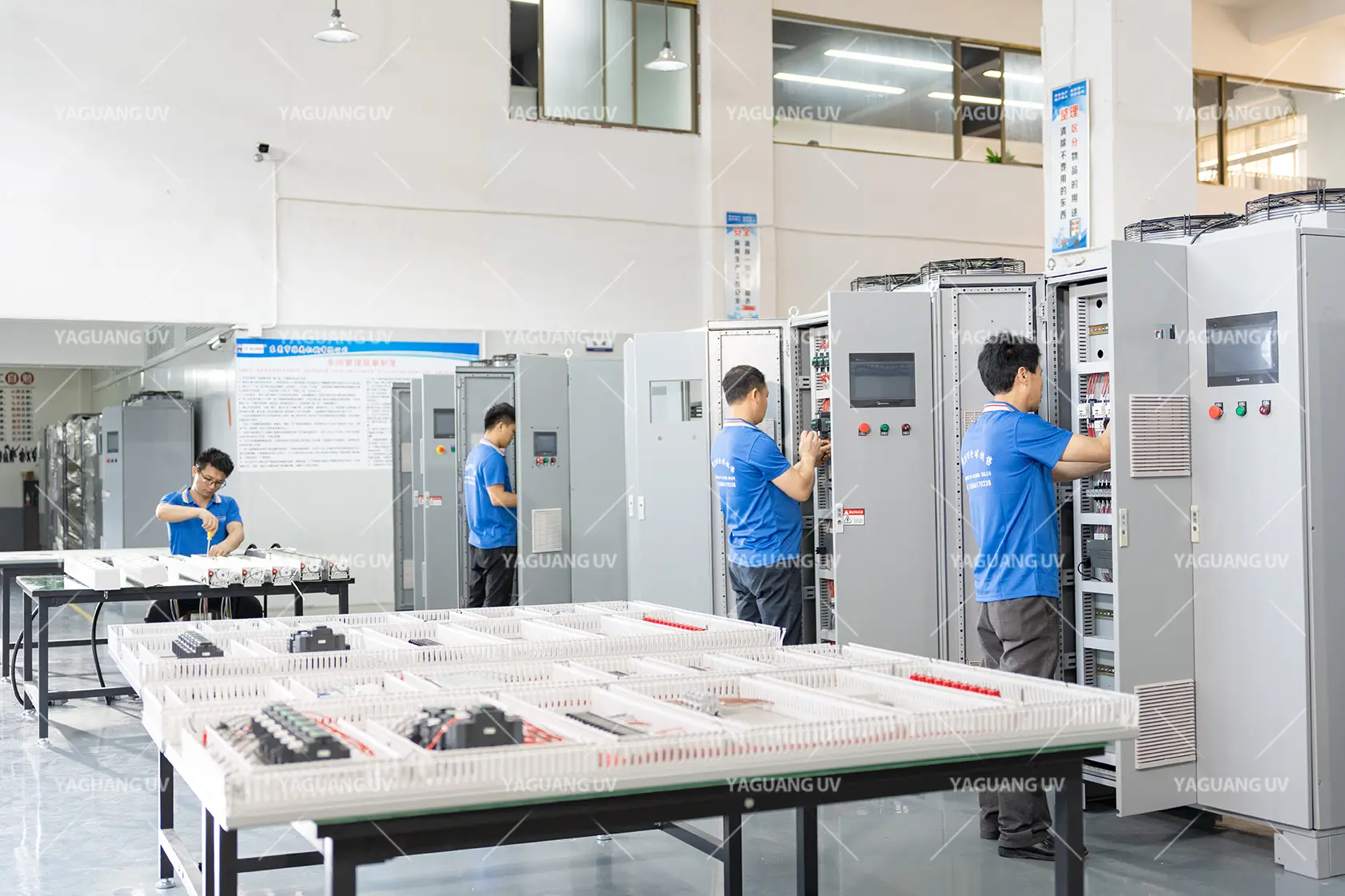
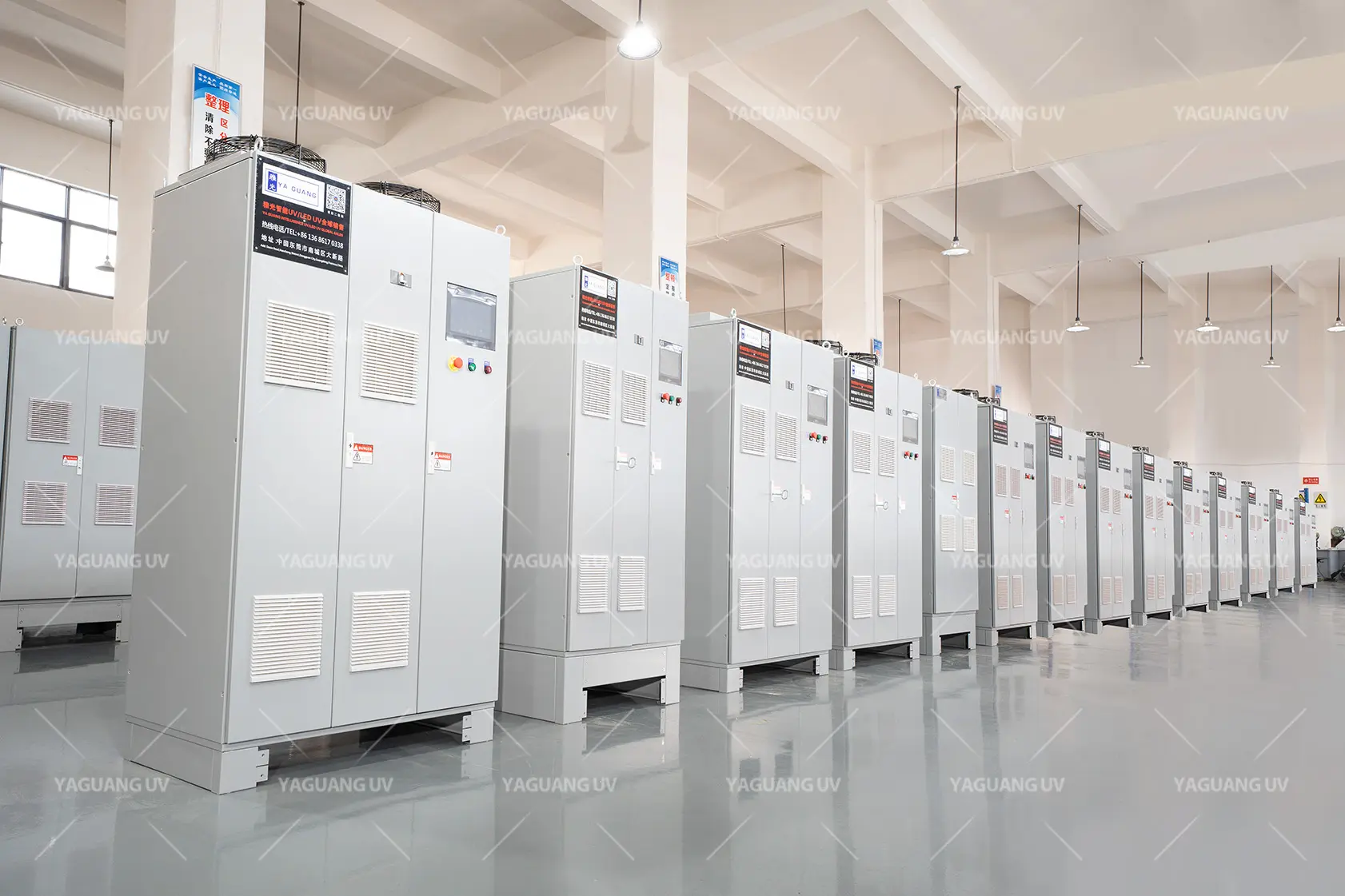
Yaguang's engineering team consists of highly experienced professionals with over 10 years of expertise in UV system development, debugging, and maintenance. They excel in adapting UV systems to various printing machinery models and offer professional guidance on UV printing processes and troubleshooting.
With over 2,000 UV systems installed globally, Yaguang's solutions are compatible with leading printing machinery brands such as Heidelberg, KBA, Roland, Komori, Mitsubishi, and Ryobi, as well as sheet-fed metal printers like Fuji, Queley, and Ruiyuan.
The company has established service centers in Shanghai, Tianjin, and Zhejiang, ensuring comprehensive customer support nationwide. We adhere to the core values of "customer first, quality first, continuous improvement, and sustainable operation".
Technical and regulatory insights regarding photopolymer resins and industrial UV drying systems
Highly compatible engineering solutions for global buyers and factories
Let our engineering experts design the optimal UV curing system or photopolymer configuration for your specific manufacturing line.
Contact Our Engineering Team Yaguang Machinery