High-Performance UV Curing Systems & Technical Retrofit Engineering for Global Press Brands
Select state-of-the-art curing units engineered to seamlessly integrate with global printing and coating systems.
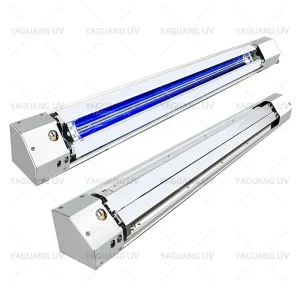
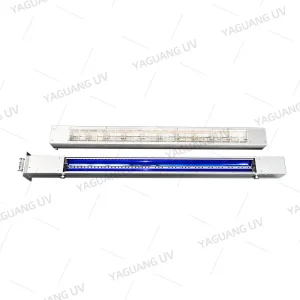
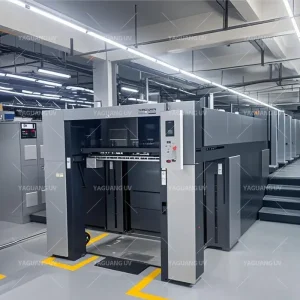
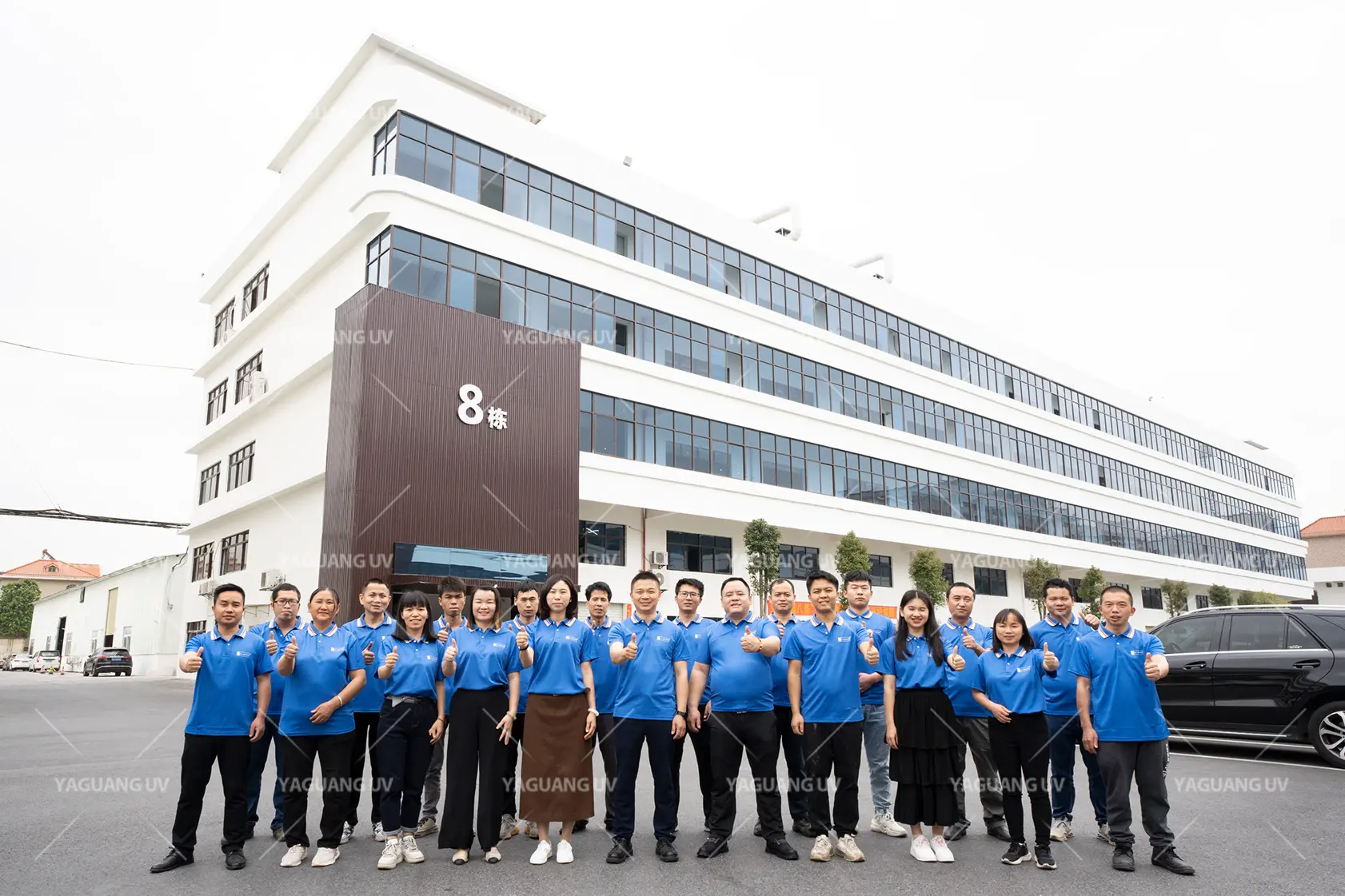
Dongguan Yaguang Machinery Co., Ltd. is a distinguished National High-tech Enterprise established in 2006. Headquartered in Dongguan, a world-renowned advanced manufacturing hub in China, we specialize in high-efficiency industrial UV curing technologies. The company integrates research & development (R&D), production, global sales, and extensive field service to deliver robust, industrial-grade UV curing solutions.
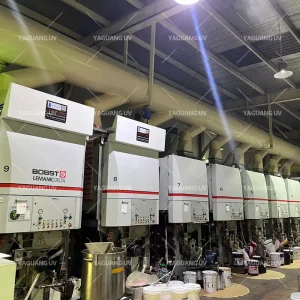
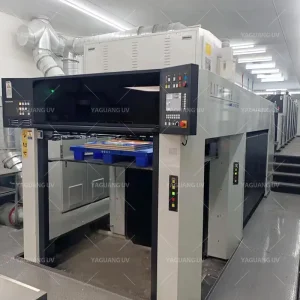
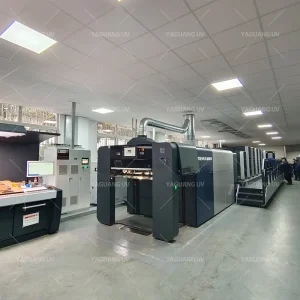
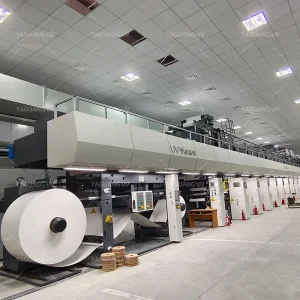
Our proprietary UV curing systems are widely deployed on premium printing machinery globally, including offset printing, flexographic printing, gravure printing, sheet-fed metal printing, and rotary printing machines. By combining structural engineering precision with smart power control systems, we adapt our UV curing configurations to optimize production speeds, minimize thermal degradation of substrates, and drastically lower energy draw.
How Yaguang leverages core patents and structural debugging to lead the UV integration market.
Yaguang’s engineering department comprises industry veterans with over 10 years of focused hands-on experience in UV lamp integration, PLC electronics development, optical focusing, and mechanical fitting. We excel in executing complex retrofits on legacy and modern machinery, ensuring minimal disruption to print production schedules.
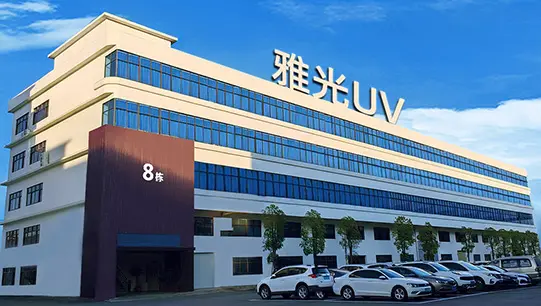
Continuous investment in research has secured us multiple proprietary patents for light-gathering reflectors, low-temperature water-cooled shutter mechanisms, and intelligent LED control circuits. Every product segment is fully certified under CE guidelines, fulfilling global safety mandates and factory quality audits.
Our UV/LED curing units are specifically mapped to suit global machinery standards. They provide flawless operation alongside renowned manufacturers such as Heidelberg, KBA (Koenig & Bauer), Manroland, Komori, Mitsubishi, and Ryobi. Additionally, we integrate with high-speed sheet-fed metal printing systems like Fuji, Queley, and Ruiyuan.
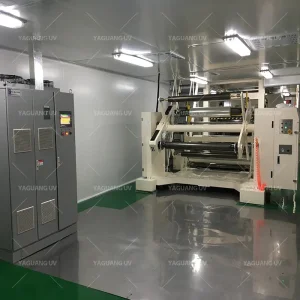
operating out of Southern China’s core industrial hub, we command complete control over our raw materials sourcing, optical glass machining, electrical cabinet wiring, and final performance validation. This guarantees highly competitive lead times and rigorous quality assurance.
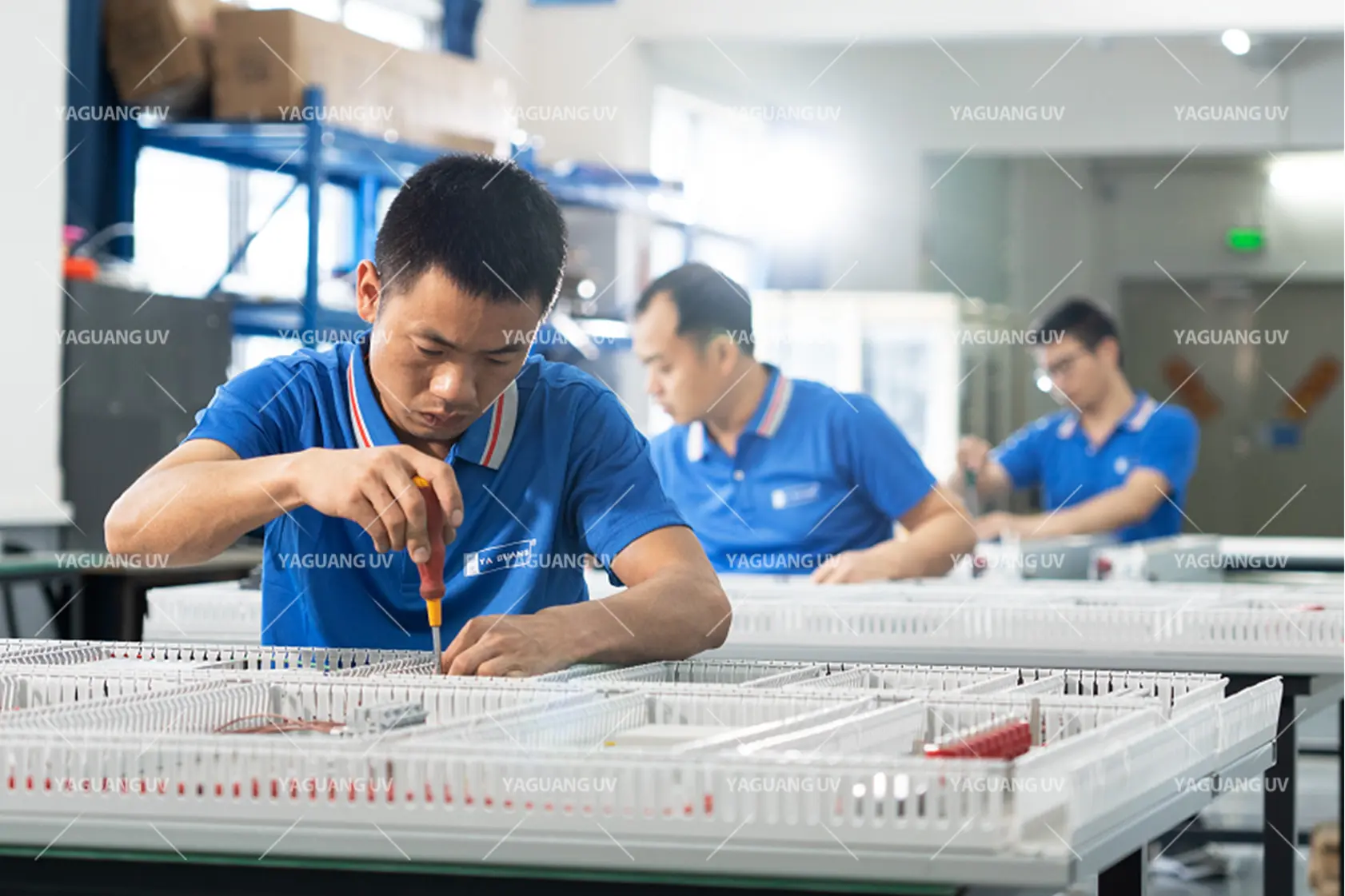
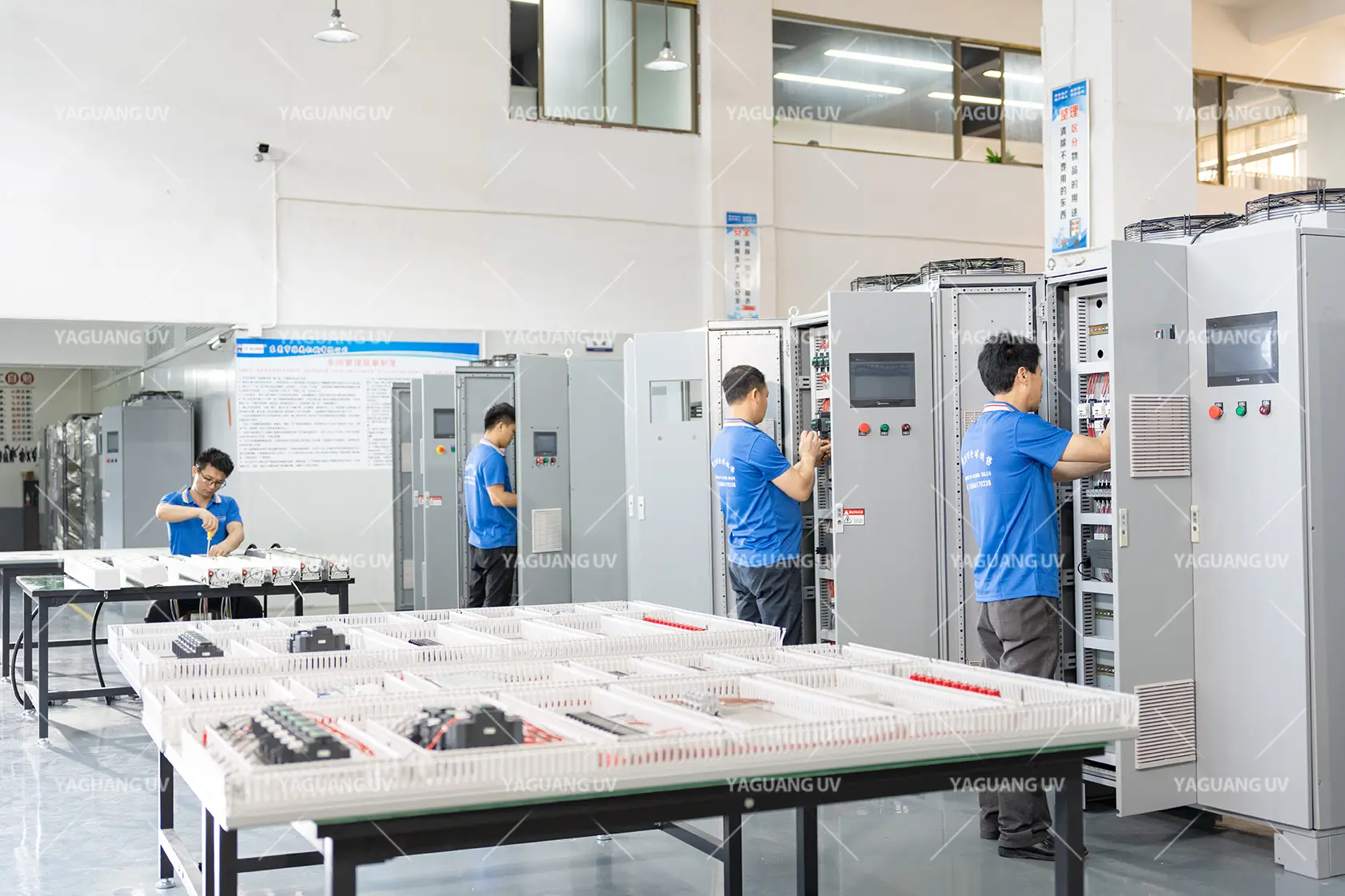
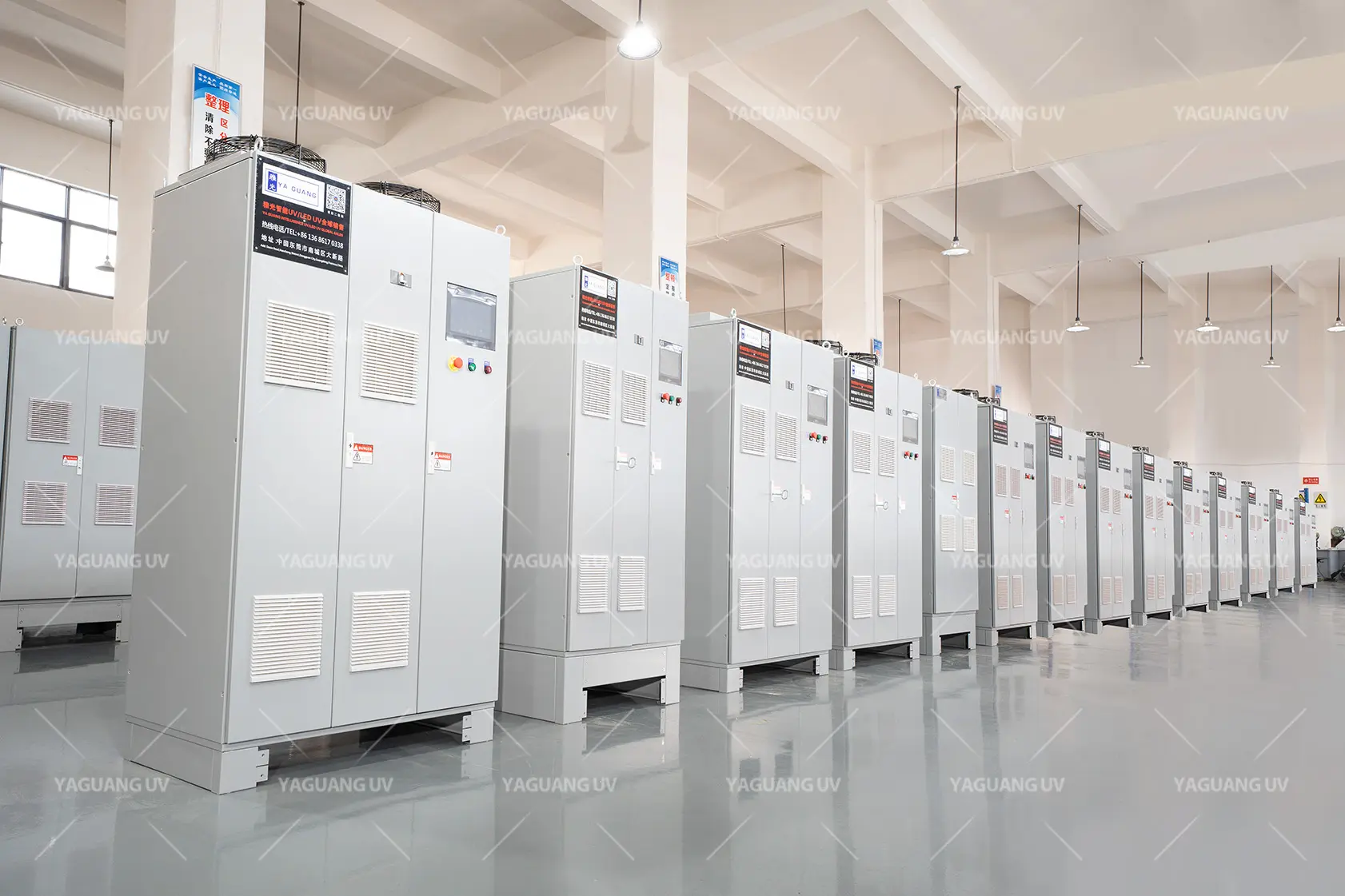
As a leading brand in China’s UV curing sector, Yaguang merges breakthrough optical configurations with long-term industrial application experience. We design and deliver energy-efficient, robust machinery that meets the high production demands of global manufacturing concerns. To guarantee customer uptime, we run fully staffed maintenance and engineering support centers in Shanghai, Tianjin, and Zhejiang, alongside overseas remote diagnostic structures.
For nearly two decades, Yaguang has consistently executed on its foundational philosophy: "customer first, quality first, continuous improvement, and sustainable operations." We ensure that every custom component, from standard high-intensity mercury bulbs to cutting-edge narrow-band UV LED chips, is optimized for maximum efficiency, reduced operating temperatures, and structural longevity.
An in-depth look at global procurement expectations, market shifts, and integration guidelines for commercial printers.
Traditional UV curing relies on high-pressure mercury arc lamps which output broad-spectrum light (200nm to 450nm). While highly effective for heavy coatings, they generate significant heat (IR emissions) and consume high levels of electrical power. Global environmental legislation—such as the Minamata Convention on Mercury—and skyrocketing energy costs are accelerating the transition to solid-state UV LED systems.
UV LED curing operates at targeted wavelengths (typically 365nm, 385nm, 395nm, or 405nm). By focusing light output directly into the absorption band of the photoinitiators within inks and coatings, energy transfer is maximized, achieving immediate cure states at up to 75% less electrical draw than equivalent mercury configurations.
Successful integration is not merely a matter of mounting an LED bar above a press cylinder. It requires complex considerations of the following parameters:
Practical engineering adaptations designed for specific press lines and packaging materials.
Deploying custom UV LED arrays on Heidelberg Speedmaster or Komori Lithrone series. Integrated directly in the delivery section or interdeck locations, these units cure UV inks instantaneously at sheet speeds up to 18,000 sheets per hour. The lack of infrared heat prevents thermal curling on thin films and lightweight paperboards, ensuring flat stack delivery.
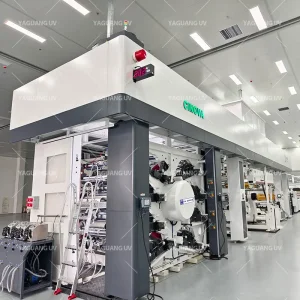
Specifically designed for narrow-to-wide web flexographic presses. The system utilizes intensive water cooling to protect thin heat-sensitive film substrates (PET, BOPP). Compact light heads mount close to the chill rollers, facilitating printing speeds of up to 300 meters per minute while maintaining complete food-grade packaging safety certification.
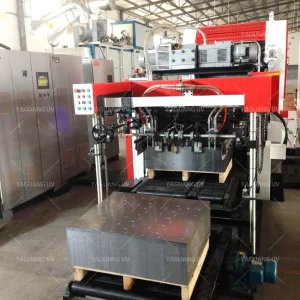
Replacing legacy gas-fired thermal drying tunnels on sheet-fed metal printing lines (Fuji, Ruiyuan). By integrating high-power mercury/LED combination arrays, we shrink curing footprints from 30 meters of space down to less than 2 meters. This results in substantial floor space savings, a massive reduction in direct CO2 output, and instant curing on tinplate and aluminum sheets.
Ensuring supply-chain safety, operational compliance, and overseas engineering integration.
All Yaguang UV components and completed assemblies pass rigorous electromagnetic compatibility (EMC) and low-voltage directive checks, leading to CE compliance certification. Our systems are built in alignment with RoHS requirements to guarantee no heavy-metal contamination during processing, easing customs clearances and satisfying international EHS (Environment, Health, and Safety) audits.
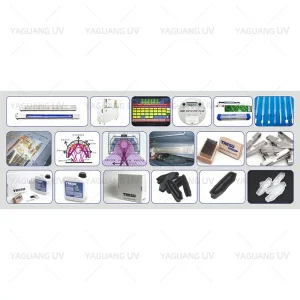
To ensure maximum uptime, we coordinate our support services via centralized service depots in China and partner networks globally. We provide detailed 3D CAD modeling pre-sale to verify alignment with your existing printing press design. Once purchased, we offer virtual assistance, installation documentation, and prompt overseas shipping of critical spares (UV lamps, quartz plates, ballast transformers, LED modules, power supplies).
Answers to critical integration, operating cost, and process optimization questions compiled by our product support engineers.
Yes. Retrofitting is one of our primary capabilities. The engineering team designs custom mechanical integration brackets, matching LED arrays to the cylinder geometry of Heidelberg, Komori, and other major brands. The existing power supply cabinet is replaced with an intelligent LED driver system that links directly with the press speed control PLC for auto-dimming.
UV LED units produce minimal heat emission (preventing substrate distortion), offer instant-on/off capabilities (no warm-up or cool-down cycles), and consume up to 70-80% less energy. Additionally, UV LED lamps offer an operational lifespan of 20,000+ hours, compared to 1,000-2,000 hours for standard mercury lamps, while eliminating toxic mercury materials from the factory floor.
We employ precision water-cooled aluminum extrusion heatsinks for high-intensity arrays (above 12W/cm²). The water circulation system maintains the LED junction temperature within the optimal window (under 60°C), preventing diode degradation and ensuring stable optical output and prolonged machinery life.
Yes, our entire line of UV components, ballast controls, and LED modules has undergone testing and carries CE certification. We design our systems in accordance with standard industrial safety protocols, including UV radiation shields and automatic safety interlocks that turn off the light source if the press stops or opens.
Our design office utilizes SolidWorks and AutoCAD to generate exact models of your printing line layout. Once you provide the brand model and target dimensions of the press frame, we provide step-by-step 3D schematics for engineering review before starting production at our Dongguan factory.
Explore more UV Curing solutions designed for coating lines, metal decorating, and flexographic printing presses.
 Yaguang Machinery