 Yaguang Machinery
1. Kiribati & South Pacific Industrial Context: The Urgency for UV Retrofitting
In the island nation of Kiribati, which spans a vast ocean area with concentrated manufacturing and commercial activities on atolls like South Tarawa, local operations face extreme logistical and environmental constraints. With limited heavy industrial infrastructures, the local printing, packaging, and coating operations are critical to supporting domestic consumption, fish export preparation, and governmental administrative publishing. However, these sectors are bottlenecked by three severe regional challenges: high imported-diesel energy costs, extreme relative humidity (often exceeding 80%), and aggressive salt-spray corrosion.
Historically, local printing houses and manufacturing facilities relied on thermal drying ovens or outdated, low-efficiency UV curing equipment. These configurations consume immense quantities of electricity and generate excessive residual heat, increasing the load on local cooling systems and generating a substantial carbon footprint. Furthermore, traditional mercury lamps require frequent replacement, creating a logistical headache given Kiribati's remote geographical location and challenging shipping links.
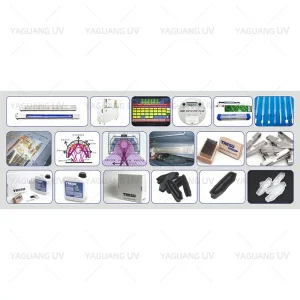
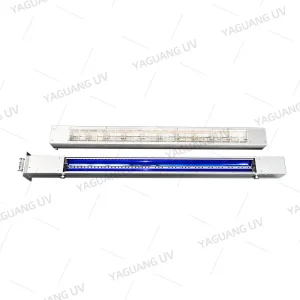
This is where UV & LED UV retrofitting becomes a game-changer. By upgrading existing offset, flexographic, or metal printing machinery with modern curing arrays, businesses in Tarawa and throughout the Gilbert Islands can transition to an eco-friendly process. Modern retrofitting replaces inefficient thermal and early-generation mercury drying setups with energy-saving LED chips or optimized low-heat UV setups, saving up to 50-70% in power consumption and completely eliminating dry-time delays.
2. Global Industrial Trends: The Rise of UV/LED and Green Initiatives
Globally, the industrial curing sector is undergoing a rapid transition driven by international environmental treaties, such as the Minamata Convention on Mercury. Major economies are phasing out mercury-vapor lamps in favor of Solid State Curing (LED UV) technology. LED UV curing operates at specific wavelengths (typically 365nm, 385nm, 395nm, or 405nm), directing all energy towards cross-linking photoinitiators in specialized inks and coatings, rather than dispersing heat across the substrate.
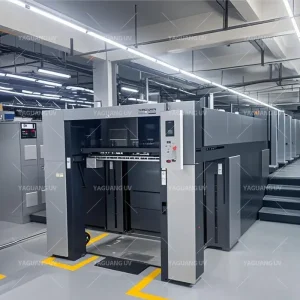
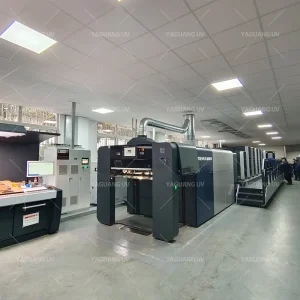
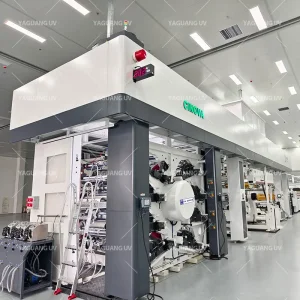
This shift has rewritten the economics of the packaging and printing industries. While installing a brand-new UV LED-equipped printing press is cost-prohibitive for many small-to-medium enterprises (SMEs), retrofitting existing machinery offers an elegant, cost-effective compromise. It allows operators to preserve their heavy mechanical assets (such as robust cast-iron Heidelberg or Komori presses) while gaining the technological advantages of modern curing. In remote markets, retrofitting extends the operational lifespan of existing capital assets, preventing them from becoming obsolete and avoiding the massive carbon and monetary cost of importing new heavy machinery.